- An interior designer handles aesthetics, finishes, and layout — not the structure (that's the architect).
- It's most worth it when the work influences rent or value: renovating to re-rent at a higher rate, durable finishes, market repositioning.
- In Quebec, certified designers are members of the APDIQ — a good benchmark when choosing.
- No interest in renovating or staging? ImmoMulti buys your plex as-is on the North Shore — offer within 48 h, zero commission.
What does an interior designer do in a rental property?
An interior designer plans and coordinates the interior layout of rental units: space arrangement, finishes, materials, colours, and lighting — without touching the structure. They help maximize rent potential, minimize vacancy, and prepare a property for resale, all within the existing building envelope.
An interior designer plans and coordinates the interior layout of a space: they arrange rooms, select finishes, materials, colours, and lighting, and ensure the result is beautiful, functional, and durable. In an income property, their work focuses on aesthetics, finishes, and layout — everything you see and experience inside a unit, without touching the building itself.
An important point: an interior designer does not modify the building's structure. Moving a load-bearing wall, adding a unit, or altering the framework is the architect's territory. The designer works within existing spaces: rethinking a kitchen, a bathroom, the flow of a unit, or the look of an entrance hall. For plex or multi-unit owners, they are the ally for renovations that increase perceived value without undertaking major structural work.
Designer, decorator, or architect: who does what?
A decorator enhances surface aesthetics (colours, furniture, accessories). An interior designer rethinks the layout and selects finishes and materials — ideal for renovating a unit without structural changes. An architect is required when you modify the building's structure, add units, or need regulatory permits. For most rental renovations, the interior designer is the right call.
These three professionals are often confused. The distinction is simple and useful when planning work on an income property.
| Professional | What they do | When to use them |
|---|---|---|
| Interior designer | Layout, finishes, materials, lighting, space concept | Renovating a unit, choosing finishes, optimizing spaces |
| Decorator | Surface aesthetics: colours, furniture, accessories | Refreshing the look without renovating or touching the layout |
| Architect | Structure, regulatory plans, permits, expansion | Modifying the structure, adding units or floors |
In short: a decorator enhances the surface, an interior designer rethinks and renovates the space, and an architect steps in whenever the building itself is touched. For most rental unit renovations (kitchen, bathroom, floors, layout), an interior designer is what you need.
Renovating to maximize a rental unit
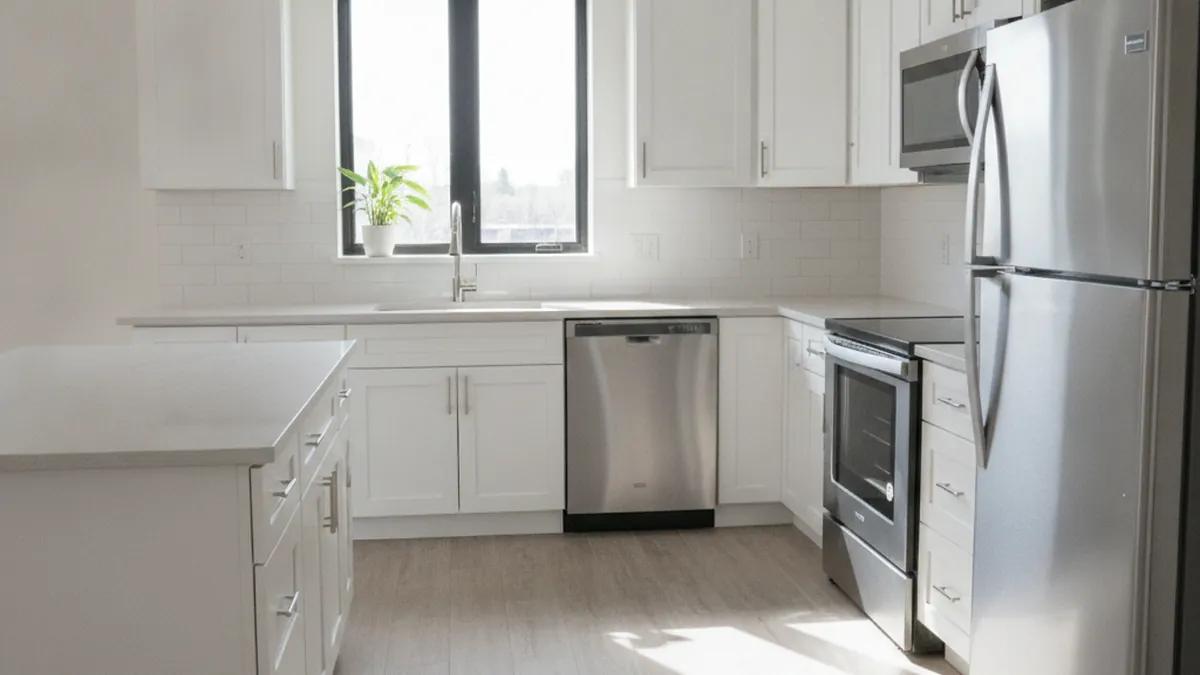
This is the most profitable use case. When a unit becomes vacant, renovating before re-renting often allows you to justify a higher rent — provided you make the right choices. An interior designer helps you direct the budget where it pays off: kitchen and bathroom first, then floors and lighting, in a style that appeals to the type of tenant you're targeting.
In rentals, the key is durability. A beautiful but fragile material becomes a problem by the first tenant. A designer experienced in rental properties selects finishes that hold up to use: scratch- and water-resistant floors, sturdy countertops, washable paints, solid hardware, timeless colours that don't go out of style between leases. The right mindset: think in lifetime cost, not just purchase price.
As for ROI, the logic is simple: compare the cost of the work (and design fees) to the annual rent increase and the added property value. A well-targeted renovation that sustainably raises rent pays for itself; a "passion project" without impact on rent, much less so. An experienced interior designer helps you make exactly that distinction.
Optimizing small units
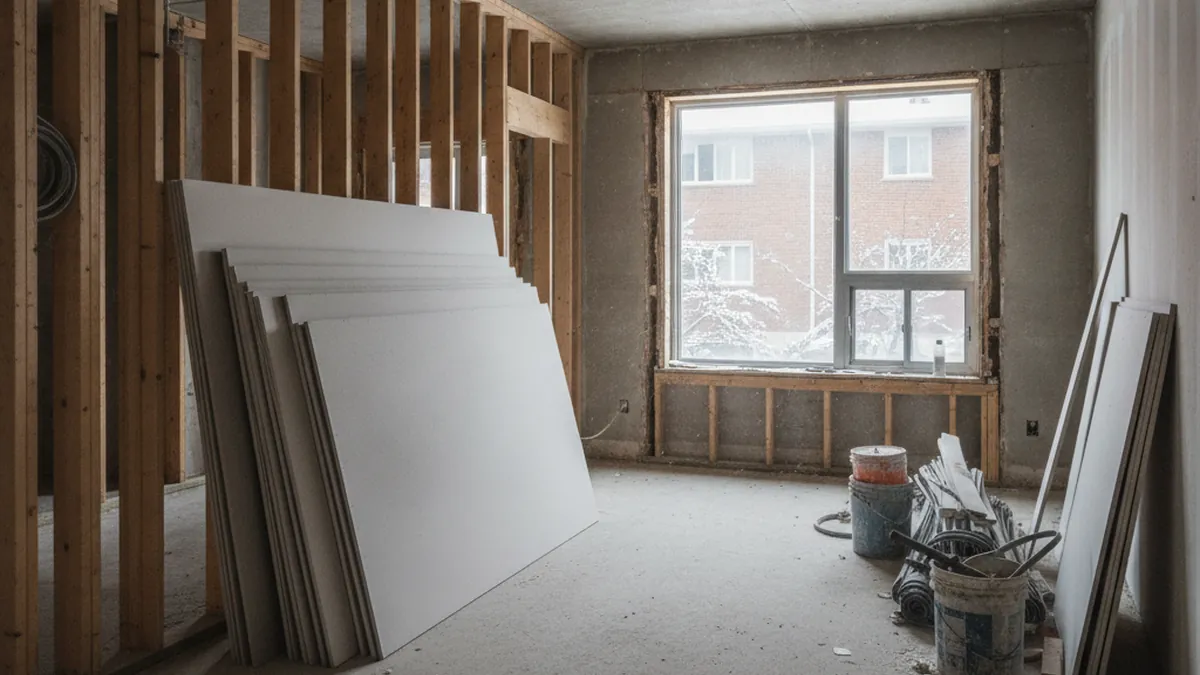
In many plex buildings, units are compact — studios, 1½, 2½ with limited room sizes. That's precisely where an interior designer adds the most value: they rethink circulation and storage without touching the structure. A better-designed closet, an optimized kitchen corner, a layout that opens up natural light, or custom-built furniture can transform the perception of a small space.
The goal isn't to enlarge the space but to give the impression of space and make every square metre useful. Light colours, vertical storage, well-placed lighting, cohesive floor coverings: all levers that make a small unit more attractive — and easier to rent at the right price.
Home staging before the sale
Home staging involves presenting a property in its best light for sale. A designer or home stager declutters, neutralizes, and stages the spaces buyers visit — usually a show unit and common areas — to help them picture themselves there.
To be clear: home staging doesn't change a property's intrinsic value. For an income property, a buyer primarily looks at the numbers (income, expenses, condition). But a polished presentation can accelerate the sale and support the asking price, especially in the "lived-in" spaces a buyer actually visits. If you'd rather not invest in preparation, you can also sell as-is, without staging, to a direct buyer.
Refreshing common areas
In a multi-unit building, the entrance hall and corridors are the first thing tenants and buyers see. Yet they are often neglected. An interior designer can improve the building's overall image at a controlled cost: lighting, durable floor coverings, paint, signage, mailboxes, and entrance furniture.
These improvements are common because they touch many people for a relatively contained budget. Clean, well-maintained common areas help attract better tenants, reduce turnover, and convey an impression of serious management — an asset both at renting time and on resale.
How much does an interior designer cost?
Interior designer fees vary by designer, project scope, and region. The main billing models are an hourly rate, a flat fee for a defined scope (e.g. a kitchen concept), or a percentage of total project cost. Always request a written estimate and compare a few designers — then weigh the fee against the expected rent or value gain.
Cost varies by designer, project scope, and region. Three billing models come up most often:
- Hourly rate: you pay for actual time spent (concept, plans, material selection, site supervision). Flexible, but less predictable.
- Flat fee: a fixed price for a defined scope (such as a kitchen or bathroom concept). Predictable, provided you clearly define what's included.
- Percentage of project cost: fees represent a share of total construction cost; common on larger projects.
Before hiring anyone, request a written estimate, clarify what's included (concept, plans, purchasing, site coordination), and compare a few designers. Since amounts vary widely, the right reflex is always to compare the fee cost against the expected rent or value gain.
How to choose an interior designer
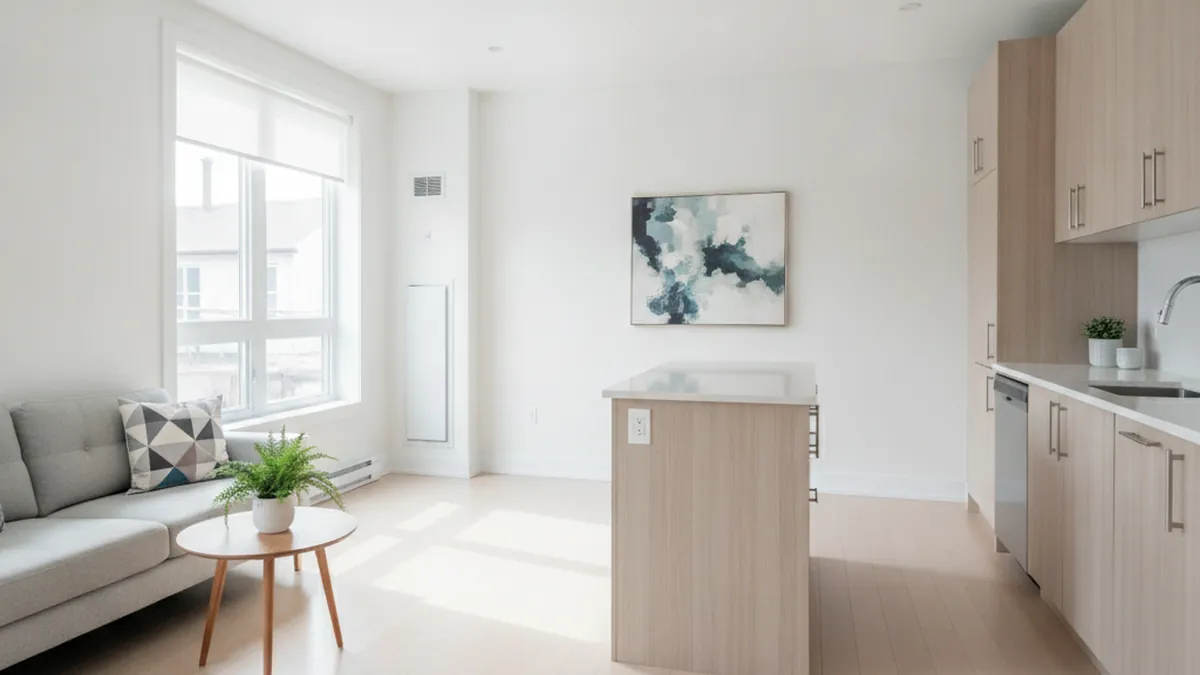
A few concrete tips for making a good choice, especially in an income property context:
- APDIQ member: the Association professionnelle des designers d'intérieur du Québec groups certified designers. It's a useful benchmark for distinguishing a real designer from a simple decorator.
- Portfolio: ask to see completed projects. A portfolio consistent with your style and budget tells you a lot about what to expect.
- Rental property experience: a designer experienced in rental units understands the durability and profitability constraint — it's not the same as designing a personal residence.
- Clear scope and fees: a good professional explains their approach, billing model, and what's included before starting.
If you're still unsure which professional to consult, our quiz to find a specialist will point you to the right profile for your project.
Renovate to sell, or sell as-is?
You have two options: renovate and stage before listing to support the asking price, or sell as-is to a direct buyer without any preparation. If you lack the time, budget, or desire for renovations, a direct sale to ImmoMulti (North Shore, offer within 48 h, zero commission) avoids months of construction and staging.
When it's time to sell, you have two options. The first: renovate and stage before going to market, to support the price and attract a larger buyer pool. This is often where an interior designer — and sometimes a general contractor to execute the work — saves you time and adds value.
The second: sell as-is to a direct buyer, without renovating or staging. If you don't have the desire, the time, or the budget for work, this option avoids months of construction and preparation.
Direct sale — no broker. ImmoMulti is a direct buyer of plex and multi-unit properties on the North Shore (not a broker). We buy properties as-is, without you having to renovate or stage them: offer within 48 h, zero commission. Let's talk — no commitment via our contact page.
To go further depending on your project, also see our guides on the general contractor for building renovation, the architect for an income property, and the leasing agent for income properties for re-renting after work.
Renovate to charge higher rent, or sell as-is?
Take the quiz to find the right interior designer for your goal. Or, if you'd rather sell without renovating on the North Shore, receive a direct offer.
Which designer do I need? (quiz) →