- A general contractor coordinates the trades for a major renovation, conversion, or remediation.
- In Quebec, require an appropriate RBQ licence, a detailed written contract, and a warranty plan.
- To protect against overruns: milestone-based payments, signed change orders, and a contingency reserve.
- A building in need of renovation can also be sold as-is to a direct buyer like ImmoMulti — offer within 48 h, no commission, on the North Shore.
What does a general contractor do?
A general contractor is the single point of contact who plans, coordinates, and executes a major renovation or construction project. They hire and supervise subcontractors (plumbing, electrical, carpentry, finishes), manage permits and the schedule, and bear overall responsibility. In Quebec, this role generally requires an appropriate RBQ licence covering the type of work.
A general contractor is the conductor of a renovation project. Rather than managing each trade yourself, you hand one person the responsibility for planning, coordinating, and executing the work. In practice, they assess the scope of the project, prepare a quote, hire and supervise subcontractors (plumbing, electrical, carpentry, finishes), order materials, manage the schedule, and ensure compliance with the building code and applicable permits.
For a plex or multiplex owner, the advantage is twofold: a single point of contact bears overall responsibility, and trade coordination — often the most time-consuming part of any renovation — no longer falls on your shoulders. In Quebec, performing this work for others generally requires an appropriate licence from the Régie du bâtiment du Québec (RBQ). Verifying this licence before signing is the first step toward a well-managed project.
Major renovation or minor work?
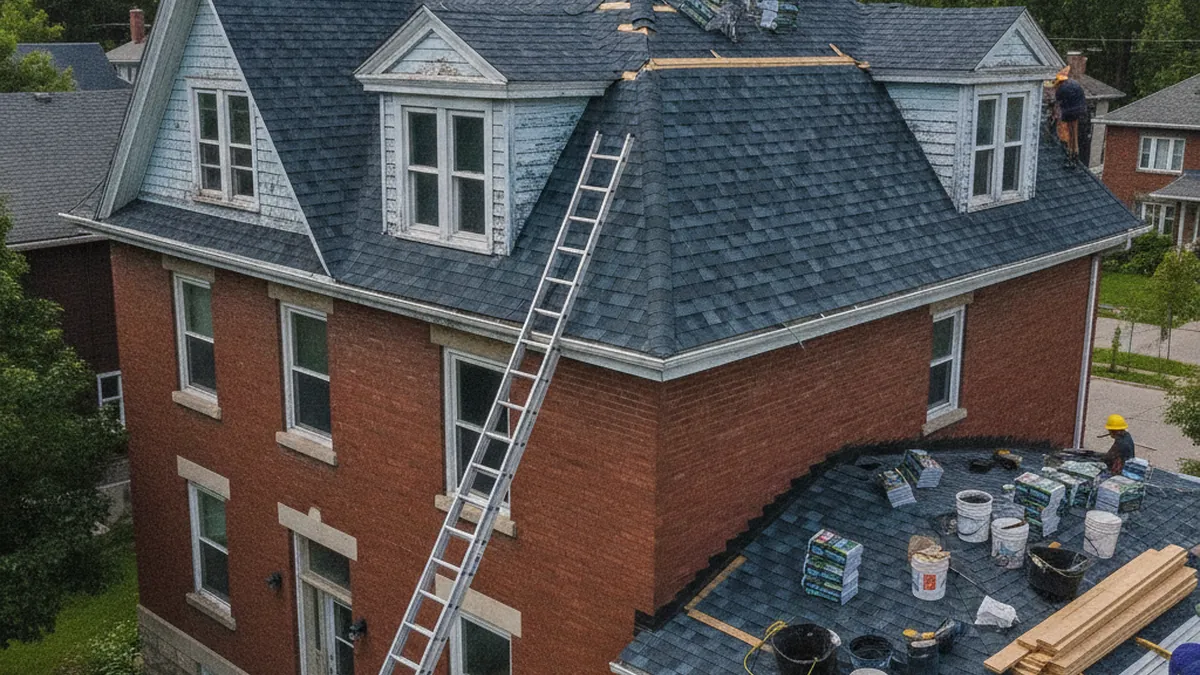
A general contractor is justified when a project involves multiple trades that need sequencing (structure, plumbing, electrical, finishes). For single-trade work — a leaky faucet, a roof section, a panel upgrade — hiring the specialist directly is simpler and less expensive. Rule of thumb: the more trades involved, the more coordination is worth the cost of a general contractor.
Not every project calls for the same professional. The most useful distinction for an owner is between a major renovation — which engages multiple trades — and minor, targeted work.
A major renovation typically touches structure, systems (plumbing, electrical, heating), and finishes simultaneously. Redoing complete units, reroofing at the same time as insulating, or refreshing multiple units at once: whenever trades multiply and the sequence of work matters, a general contractor prevents scheduling conflicts and costly re-do's. They ensure the electrician finishes before the plasterer, and that nothing blocks the next phase.
By contrast, minor work — fixing a faucet, replacing a fixture, patching a section of flooring — usually involves a single trade. Hiring the right specialist directly, or a qualified handyman, is often sufficient and less expensive than a coordination mandate. A useful rule of thumb: how many different trades does the project touch? One trade, no heavy coordination? A specialist will do. Multiple trades to sequence? A general contractor earns their role.
Practical tip: the more trades a project involves and the more critical the sequence of work, the more a general contractor is justified. For a single trade, look directly at the plumber, electrician, or roofer directly.
Conversion and addition
Some projects go beyond renovating — they change the use or capacity of the building. Splitting large units to create more, finishing a basement as a rental unit, converting commercial space to residential, or adding a structure: these conversion and addition projects are the most demanding from a regulatory standpoint.
Here, the general contractor does more than coordinate trades — they navigate municipal permits, zoning, and the building code. A contractor experienced with this type of project knows which documents to prepare, when to involve an architect or engineer, and how to avoid pitfalls that can stop a project mid-construction. A poorly planned conversion — from a permit perspective — often costs far more than a failed site coordination effort.
If your project changes the number of units, the footprint, or the use of the building, prioritize a general contractor who has managed similar files and asks the right permit questions in the very first meeting. Validate the regulatory aspects upfront rather than after work has begun.
Remediating a neglected building
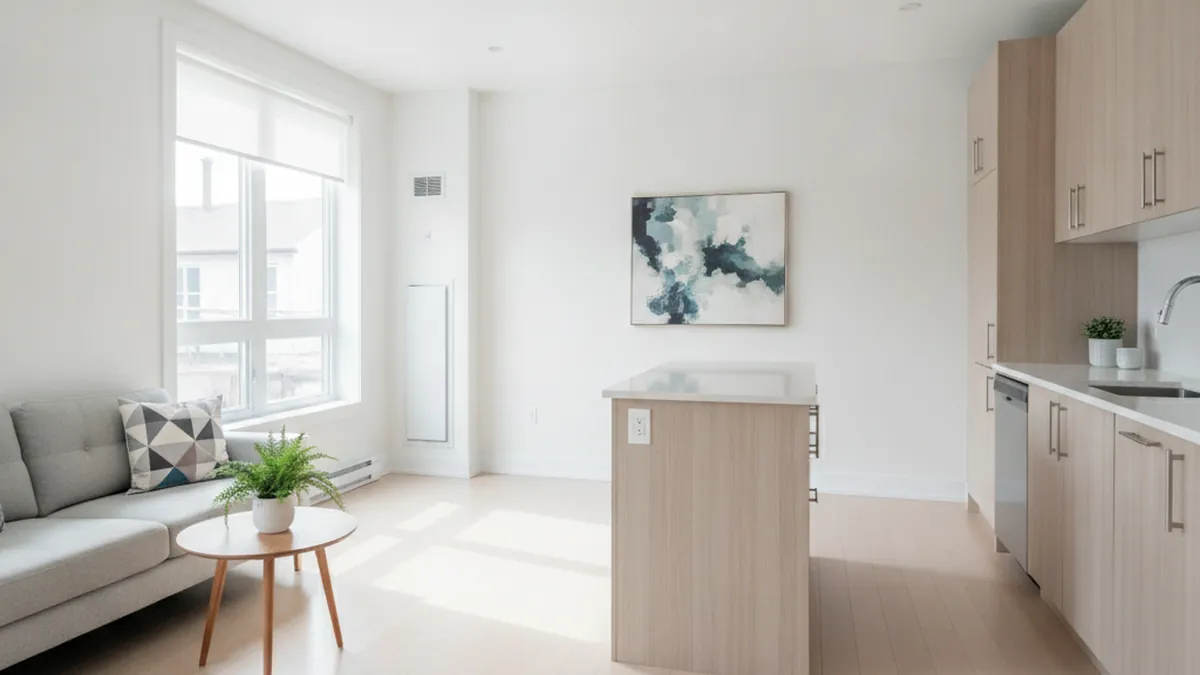
Owning or acquiring a building left in poor condition is common: deferred maintenance, aging systems, worn units, and sometimes deeper issues (water infiltration, structural problems, contamination). Remediating a neglected building requires a contractor who can prioritize the work rather than attacking everything at once.
The right contractor starts by securing the essentials: building envelope, roof, plumbing, and electrical — the items affecting safety and those that worsen if left unaddressed. Unit refreshes come next, restoring rental value. This phased approach allows you to spread the budget, bring units back online progressively, and understand the true scope of work before committing to the whole project.
In older buildings, expect surprises behind the walls. An experienced remediation contractor builds in a contingency margin and documents findings as they go. That is precisely what separates a well-controlled project from one that goes off the rails.
Project management and trade coordination
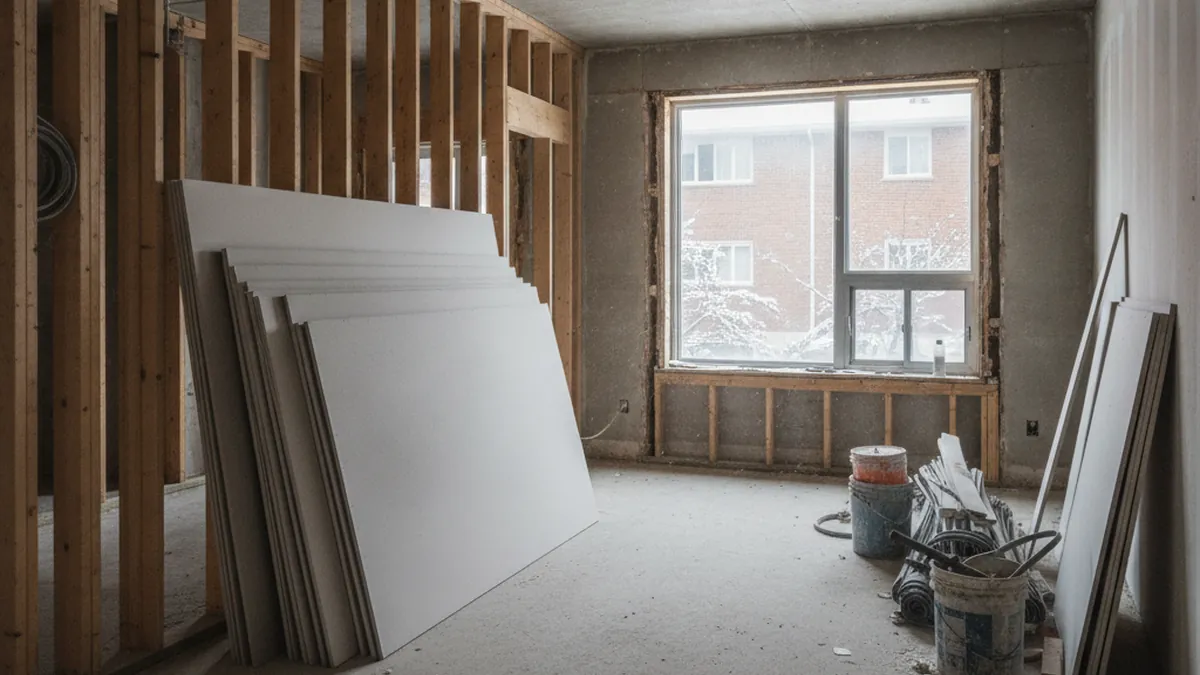
At the core of the general contractor's role is project management. Some owners already have their own subcontractors or want to stay involved in certain decisions, but lack the time or experience to orchestrate a job site. In that case, a general contractor acting as a project manager can oversee the whole operation without necessarily executing it.
Their coordination role covers several areas:
- Sequencing the trades: bringing each trade in at the right moment to avoid re-work and idle time.
- Managing the schedule: keeping a realistic calendar and adjusting when surprises arise.
- Tracking the budget: comparing spend against plan, flagging variances, and managing changes in writing.
- Ensuring compliance: permits, inspections, and code adherence throughout the project.
- Being the single point of contact: one accountable person to talk to instead of five subcontractors to chase.
This coordination is often what makes the difference between a renovation that moves forward and a site that drifts. For an owner who manages several buildings or does not live nearby, delegating project management frees up considerable time.
Costs and overruns
The cost of a building renovation varies widely: scope of work, starting condition, number of units, material quality, and location all affect the total. A major renovation touching structure, systems, and finishes costs orders of magnitude more than a simple cosmetic refresh. Rather than chasing a general figure, get multiple detailed written quotes and compare what each one actually includes.
Cost overruns are the main risk of any renovation project, especially in older buildings where opening walls reveals surprises. Three factors come up consistently:
- Unexpected discoveries: what is found once work starts (aging systems, hidden damage, code upgrades required).
- Mid-project changes: every change to the original plan has a price, and they add up fast.
- An overly optimistic quote: an unusually low initial price is often recouped through extras.
The solution is not to chase the exact figure upfront — it doesn't exist — but to structure the project to stay in control: contingency reserve, milestone-based payments, and changes managed in writing. That is what the next section covers.
How to protect yourself before and during work
A building renovation is a significant investment. A few precautions taken before signing greatly reduce the risk of unpleasant surprises.
- Verify the RBQ licence: ask for the licence number, confirm it is current and covers your type of work. A valid licence is also typically a condition for warranty coverage.
- Require a detailed written contract: description of work, materials, price, timeline, and payment terms. Avoid verbal agreements.
- Confirm the warranty plan: ask which warranty applies to your project, what it covers and excludes, and keep the documents.
- Set a clear schedule: start date, milestones, and expected completion — so you can track progress objectively.
- Pay by milestones: tie payments to actual progress rather than a large upfront deposit; hold back a retention until the end.
- Manage changes in writing: any addition or modification requires a signed written change order with its cost.
- Check references: ask for recent comparable projects and, if possible, speak to former clients.
These precautions do not replace a good contractor, but they frame the relationship and facilitate resolution of any disagreements that arise. If in doubt about a clause or the true scope of work, have your file reviewed before starting.
Renovate or sell the building as-is?
If the renovation cost exceeds the financial return or exceeds what you are prepared to manage — especially with tenants in place and months of coordination — selling the building as-is is a genuine option. ImmoMulti buys income properties on the North Shore that need renovation, with no work required from the seller: offer within 48 h, zero commission, confidential transaction.
Not every renovation is worth undertaking. Before launching a major project, ask yourself about the return: will the money invested translate into value or rents that justify it? On some heavily neglected buildings, the cost and risk of a full remediation exceed what you are prepared to take on — especially when time, energy, or financing are limited.
In that case, an option exists: sell the building as-is, in its current condition, without undertaking the work. You transfer the project and its risk to the buyer, typically in exchange for a price that reflects the building's current state — but you avoid months of management and the uncertainty of overruns.
Direct sale — no broker. ImmoMulti is a direct buyer of income properties on the North Shore (not a broker). We buy buildings in need of renovation as-is — no work required from you: offer within 48 h, zero commission. Reach out with no obligation through our contact page.
To explore this decision further, read our guide on selling an income property that needs renovation — it compares the "renovate" and "sell as-is" scenarios side by side. And if you are unsure which specialist to hire for a specific trade, the find-a-specialist quiz points you toward the right profile.
A renovation project holding you back?
Take the quiz to find the right general contractor for your project. Or, if you'd rather sell as-is on the North Shore instead of renovating, get a direct offer.
Which contractor do I need? (quiz) →