- The roof is one of the costliest items on an income property: a planned replacement almost always costs less than an emergency after water damage.
- A flat membrane roof and a sloped shingle roof are two distinct trades — choose a roofer experienced in the right type.
- Always require a valid RBQ licence, proof of insurance, and a written warranty covering materials and labour.
- You can sell as-is to a direct buyer like ImmoMulti, without replacing the roof — offer within 48 h, no commission, on the North Shore.
What does a roofer do on an income property?
A roofer is the roofing specialist. On a plex or multiplex, they inspect, repair and replace the building's roof covering, whether a flat roof protected by a membrane or a sloped roof covered with shingles. Their work also includes elements that are often overlooked but essential: flashings, attic ventilation, drains and drains on a flat roof, and water runoff management. It's the envelope that protects everything else in the building.
Why is the roof so important for a property owner? Because a failing roof never stays an isolated problem. A leak that takes hold eventually reaches the insulation, the framing, the ceilings of the top-floor units, and works its way down. Water damage linked to the roof can trigger insurance claims, disputes with tenants, and interior repairs that cost far more than the roof itself. Maintaining and replacing the roof at the right time protects the property's value and the occupants' peace of mind.
In Quebec, roofing work falls under the construction domain. The basic reflex is therefore to hire a roofer holding a valid licence from the Régie du bâtiment du Québec (RBQ), covered by liability insurance, and offering a written warranty.
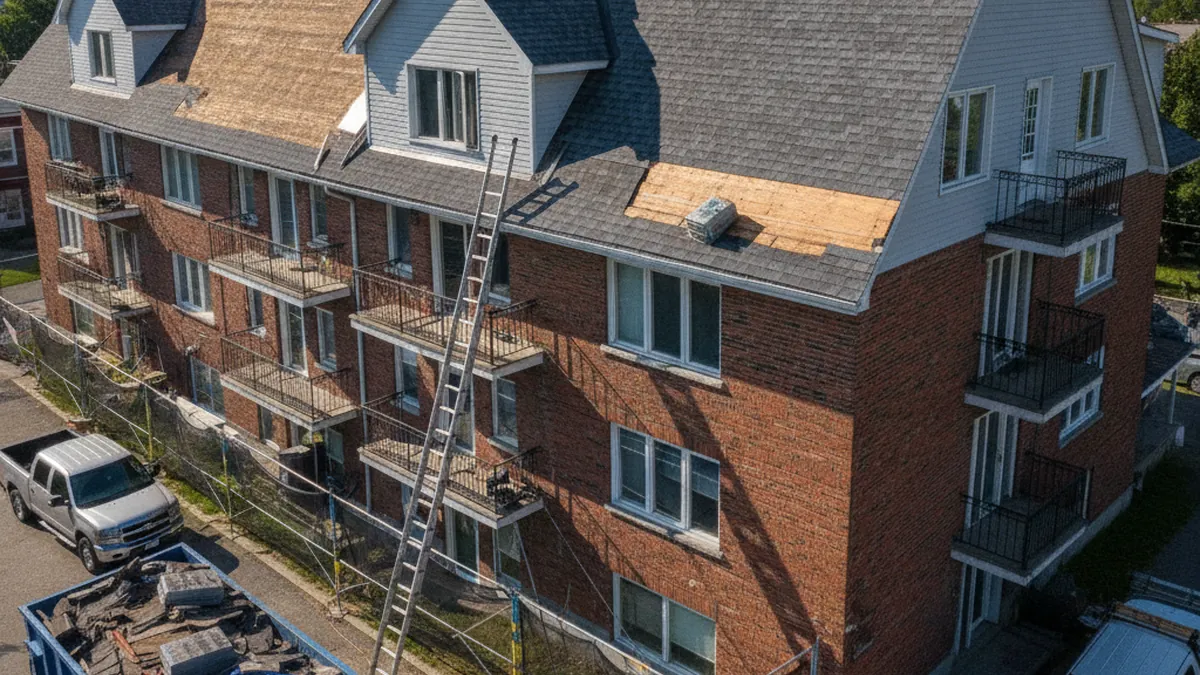
Signs that a roof is at end of life
Rather than targeting a specific number of years — which varies considerably depending on the material, installation and maintenance — watch for concrete signals your roof is sending. Here are the indicators that should prompt you to have the roof covering assessed by a roofer:
- Leaks or moisture stains: ceiling stains on the top floor, musty smell, drips during rain.
- Damaged shingles (sloped roof): shingles that lift, crack, curl, or granules accumulating in gutters.
- Worn membrane (flat roof): blistering, wrinkles, cracks, delaminated seams, or a brittle membrane.
- Standing water on a flat roof: sign of a slope, drainage or deck sagging problem.
- Failed flashings and joints around chimneys, vents and adjacent walls.
- Visible sagging or deformation from the ground, which may indicate a structural problem under the covering.
A single sign doesn't necessarily mean a full replacement is needed: sometimes a targeted repair is enough. But multiple indicators, especially recurring leaks, generally signal that a replacement is approaching. A roof inspection by a roofer or building inspector reveals the actual condition and remaining service life, and lets you plan ahead rather than react to a crisis.
Replacement or repair: which to choose?
Two major types of intervention exist, and the line between them isn't always clear. A repair addresses a specific problem: sealing a leak, replacing a few shingles, redoing a flashing, treating a section of membrane. It's fast, less expensive, and often the right answer when the roof is generally in good shape and the problem is localized.
A full replacement means redoing the roof, typically by removing the old covering down to the deck, correcting ventilation and flashings along the way, then installing a new membrane or new shingles. This is the option required when the roof is at end of life, when repairs keep mounting, or when several areas are deteriorating at the same time.
The classic trap: stacking small repairs on a roof that is, fundamentally, at end of life. By accumulating spot repairs, you can end up spending as much as a full replacement — without the warranty or the peace of mind of a new covering. A good roofer will tell you honestly when a repair still makes sense and when it's time to plan for a full replacement. That's also why getting a second opinion from an experienced roofer before repeating a repair for the third time is worthwhile.
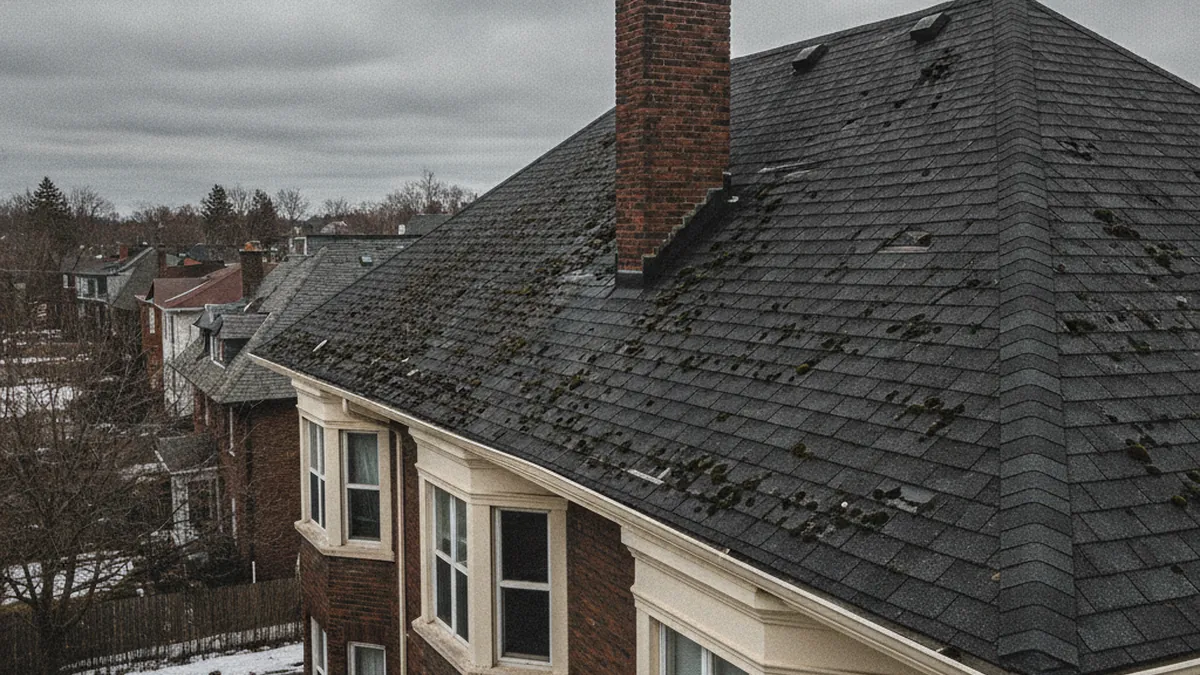
Flat roof (membrane) or sloped roof (shingles)?
Income properties mostly have two types of roof, and they are not the same trade. Understanding the difference helps you choose a roofer who is truly specialized in your building's roof type.
Flat membrane roof
Very common on multiplexes, a flat roof (actually slightly sloped to drain water) is protected by a membrane: torch-down elastomeric membrane, TPO, or other systems. Installation requires precise know-how — seam welding, drain management, flashings and penetrations — and a roofer specialized in flat roofs. A well-installed, well-maintained flat roof provides excellent protection, but standing water and seams are its weak points.
Sloped shingle roof
More common on small plexes and some converted houses, a sloped roof is generally covered with asphalt shingles. Installation requires different expertise: course layout, underlayment, attic ventilation, valleys and flashings. For this roof type, look for a roofer experienced with shingles.
| Criterion | Flat roof (membrane) | Sloped roof (shingles) |
|---|---|---|
| Typical building | Multiplexes, apartment blocks | Small plexes, converted houses |
| Material | Membrane (elastomeric, TPO) | Asphalt shingles |
| Weak points | Standing water, seams, drains | Lifting shingles, ventilation |
| Roofer profile | Flat roof / membrane specialist | Shingle specialist |
The key message: don't assume a roofer does both equally well. Ask which roof type they install most often, and choose based on your building.
The impact of a roof on insurance and value
The roof doesn't only affect tenant comfort: it directly influences your insurance and the property's value. On the insurance side, an aging or poorly maintained roof can complicate renewal, increase premiums, or even restrict coverage. Conversely, a recent warranted roof signals good maintenance that reassures the insurer. In the event of water damage, the cause and condition of the roof can also weigh on how a claim is handled.
On the value side, a roof in need of replacement is almost always interpreted as an imminent major expense. A buyer — and especially their lender — anticipates this cost and adjusts their offer downward. A new roof, conversely, is a concrete selling argument: it reduces uncertainty and supports the price. To go further on income property insurance, also see our page on income property insurance.
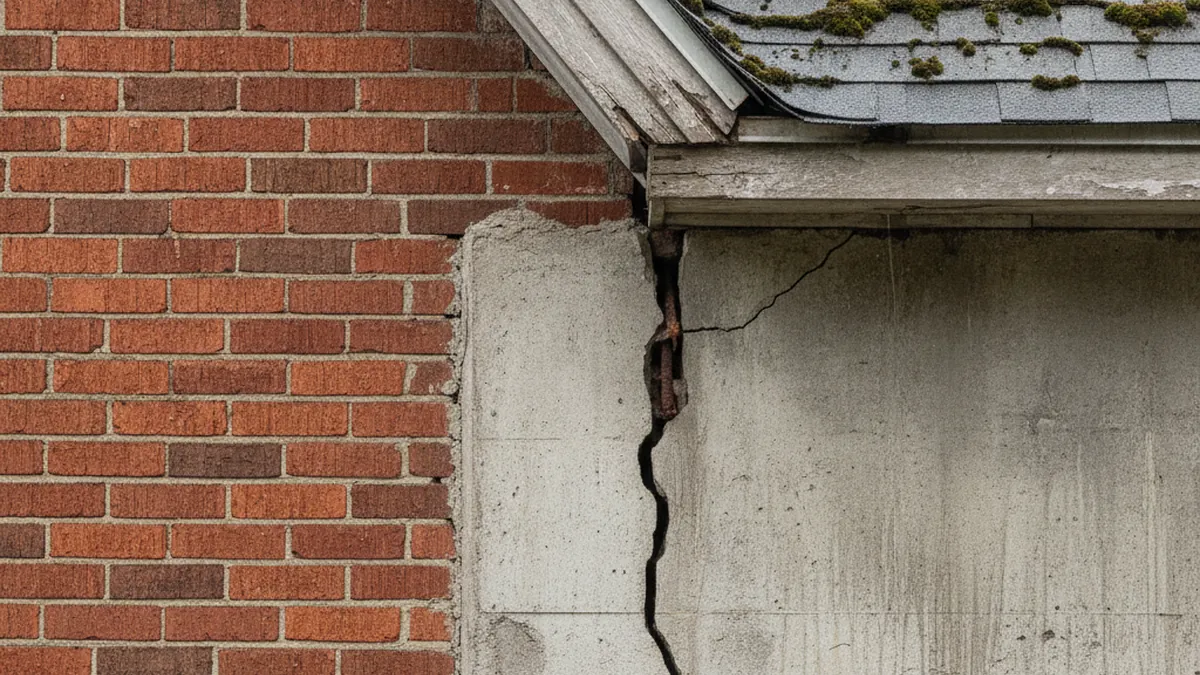
How much does a roof cost on an income property?
The cost of a roof varies enormously, and no general price is reliable without seeing the building. The main factors are the roof's surface area, its type (flat membrane or sloped shingles), access complexity (height, slope, equipment on the roof), the condition of the deck below the covering (which can reveal unpleasant surprises once the old roof is removed), and the region.
A spot repair obviously costs far less than a full replacement. To get an accurate picture, request several detailed written quotes from RBQ-licensed roofers and compare what is actually included: tear-off of the old roof, ventilation correction, flashings, drains, and above all the warranty. A slightly higher quote that includes a real written warranty can be worth far more than a low offer with vague scope.
Practical note: be wary of per-sq.-ft. prices quoted without an inspection. Two roofs of the same size can differ by a factor of two depending on type, access and deck condition. Always have the actual building assessed.
How to choose a good roofer
Choosing the roofer is just as important as choosing the materials. A new roof poorly installed ages badly and cancels the value of the materials. Here are the basic checks before hiring someone:
- Valid RBQ licence: verify the roofer's registration with the Régie du bâtiment du Québec for roofing work.
- Liability insurance: request up-to-date proof of insurance that protects you in case of damage during the work.
- Written warranty: require a clear warranty covering both materials and labour, and read what it actually covers.
- Appropriate specialization: a roofer used to flat membrane roofs for a multiplex, or to shingles for a sloped roof.
- References and past projects: ask for comparable recent jobs and, if possible, speak to former clients.
- Detailed quote: a written estimate describing materials, scope of work, timeline and price, rather than a vague lump sum.
A serious roofer will have no trouble providing their licence, insurance and references. If any of these are missing or you're being pressured to sign, that's a red flag.
Roof in need of replacement and selling your property
A roof at end of life changes the picture when it's time to sell. You have two main paths. The first: replace the roof before selling. A new warranted roof eliminates a major unknown for the buyer and their lender, broadens the pool of buyers, and supports the price. This is often where a good roofer, a building inspector and sometimes a general contractor save you time. The trade-off: a replacement requires investment and weeks of construction, and the outcome is never instant.
The second path: sell as-is to a direct buyer. If you prefer not to take on the work, you can transfer the property in its current state to a buyer who takes it with the roof factored into their offer. This is the fastest route when time, energy or a renovation budget are short.
Direct sale — no agent. ImmoMulti is a direct buyer of multiplexes on the North Shore (not a broker). We buy properties as-is, including those with a roof in need of replacement or major work ahead: offer within 48 h, zero commission. You don't have to replace the roof before selling. Let's talk via our contact page.
To go further depending on your situation, also see our guide on selling an income property that needs renovation. This content remains informational: for both construction work and sale transactions, have your roof assessed by an RBQ-licensed roofer and validate transaction matters with the appropriate professionals.
A roof in need of replacement holding up your project?
Take the quiz to find the right roofer — replacement, repair, flat roof or shingles — for your building. Or, if you prefer to sell as-is on the North Shore, get a direct offer.
Which roofer do I need? (quiz) →