- An inspection is a visual, non-destructive examination of the apparent condition: it identifies defects without guaranteeing everything.
- A pre-purchase inspection protects the buyer; a pre-sale inspection prepares the seller and reassures buyers.
- A plex has specific concerns: roof, foundation, structure, plumbing, electrical, drains, and the presence of tenants.
- In Quebec, the profession is not yet regulated by a professional order: favour a member of a recognized association (e.g. AIBQ) with professional liability insurance.
The building inspector's role
A building inspector carries out a visual examination of a building's apparent condition in order to identify defects, signs of wear, and potential risks. They observe, document, and explain: their report describes what they found, flags components to monitor or have evaluated by a specialist, and gives the buyer or seller a clear picture of the building's condition at the time of the visit. On a plex, this neutral, qualified assessment is often worth far more than its cost: a single major issue identified in time — an aging roof or a problematic foundation — can change a purchase decision or justify a renegotiation.
In practice, the inspector examines the roof, exterior envelope, structure and foundation, plumbing, electrical system, heating and ventilation, visible insulation, and drainage. This is not an in-depth assessment of every system, but a comprehensive overview that helps you make an informed decision. To accurately value a property, the inspection is often combined with the opinion of a chartered appraiser.
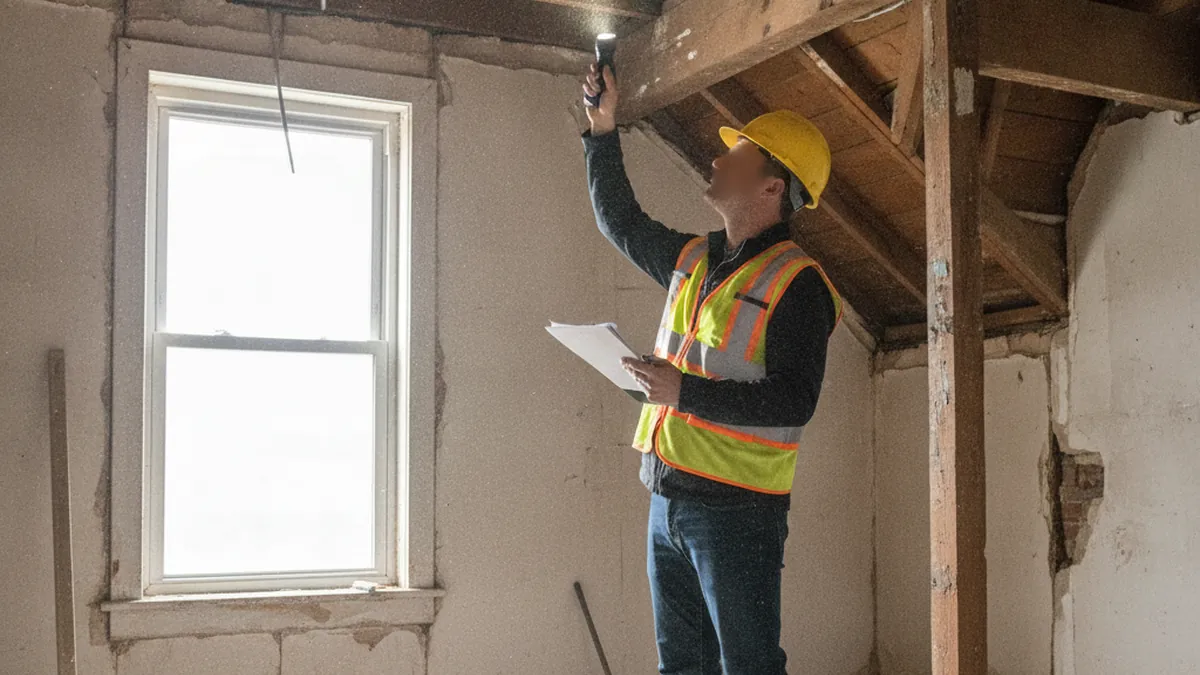
What the inspector checks: the checklist
A thorough plex inspection covers a large number of components, from roof to basement. Here are the main items an inspector reviews during a visual examination of an income property:
- Roof — condition of the covering, signs of aging, flashing, ventilation, and evidence of past or current leaks.
- Structure and framing — alignment, sagging, apparent deformation of floors, load-bearing walls and visible joists.
- Foundation — cracks, movement, moisture stains, efflorescence, and signs of instability around the perimeter of the building.
- Plumbing — nature of visible pipes, water heater, observed pressure, visible leaks, and shared connections between units.
- Electrical system — panels and capacity, apparent condition of accessible wiring, grounding, and non-compliant amateur work.
- Drains and drainage — assumed weeping tile, ground slope, gutters, and signs of basement water infiltration.
- Exterior envelope — cladding, windows, doors, caulking, and water or air entry points.
- Heating and ventilation — type and apparent condition of systems, exhaust, and ventilation in damp spaces.
- Visible insulation and attic — accessible insulation, signs of condensation, mould, or rodent presence.
For each item, the inspector records their observations in a written report, distinguishes what requires monitoring from what warrants intervention, and recommends a specialist's opinion where needed (roofer, engineer, master electrician).
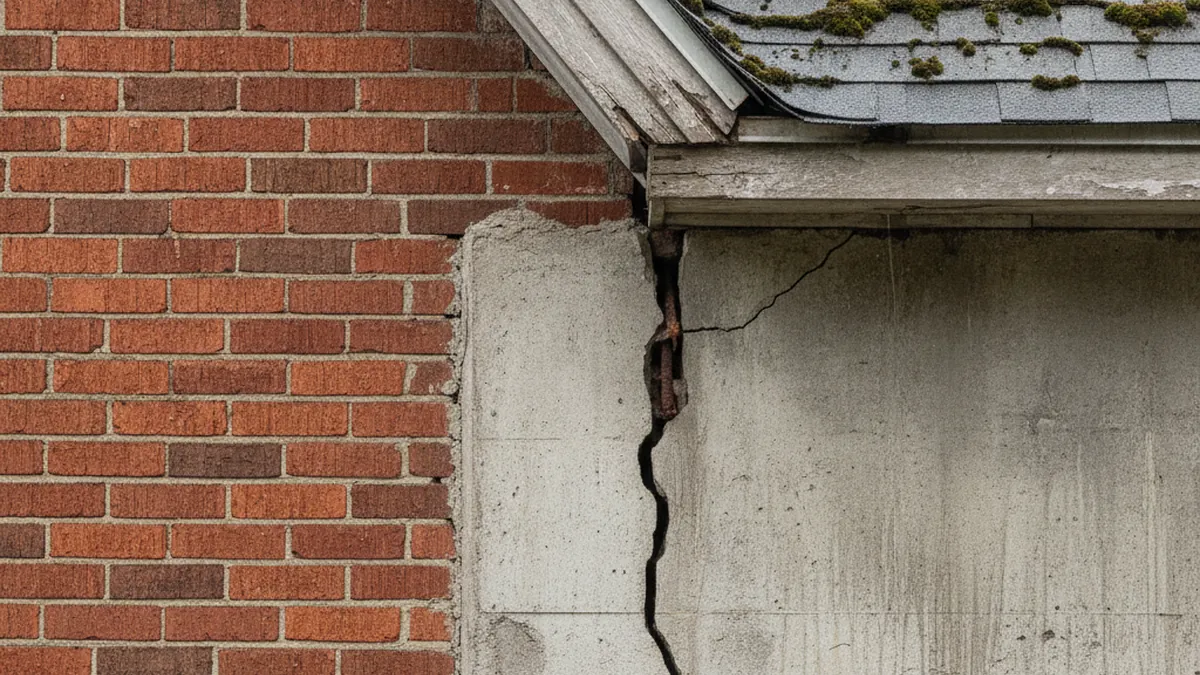
Pre-purchase or pre-sale inspection: which applies to you?
A pre-purchase inspection is ordered by the buyer after making a conditional offer; a pre-sale inspection is ordered by the seller before listing. Both use the same visual method, but serve opposite goals: the buyer verifies before committing, the seller reassures and anticipates objections.
The same visual method serves two different moments. A pre-purchase inspection is commissioned by the buyer, typically as an inspection condition in the purchase offer: it reveals the building's actual condition before making a firm commitment and, if needed, allows renegotiation or withdrawal. A pre-sale inspection is commissioned by the seller before listing: it identifies problems in advance, allows them to be corrected or disclosed, and reassures buyers by showing that the property was examined transparently.
| Criterion | Pre-purchase inspection | Pre-sale inspection |
|---|---|---|
| Who commissions it | The buyer | The seller |
| Objective | Protect the buyer, confirm condition before committing | Prepare the sale, reassure, anticipate objections |
| Timing | After a conditional purchase offer | Before listing |
| Effect | Allows renegotiation or withdrawal | Supports the price and accelerates the transaction |
For more on the seller's perspective, see our blog post on the pre-sale inspection of an income property.
Specifics of a plex or multiplex
Inspecting a multiplex is not the same scope as inspecting a single-family home. The building has multiple units, sometimes across several floors, which multiplies the components to examine and the time required. The inspector pays particular attention to:
- the roof and its condition (often a major expense item on a plex);
- the foundation and structure, especially on older buildings;
- the plumbing and type of pipes, shared among multiple units;
- the electrical system and panel capacity for each unit;
- the drains, drainage, and signs of basement water infiltration.
The presence of tenants adds a practical constraint: access to each unit must be planned and respectful of occupants' rights, and certain areas may be partially inaccessible on inspection day. This is another reason to allow ample time and to choose an inspector experienced with income properties.
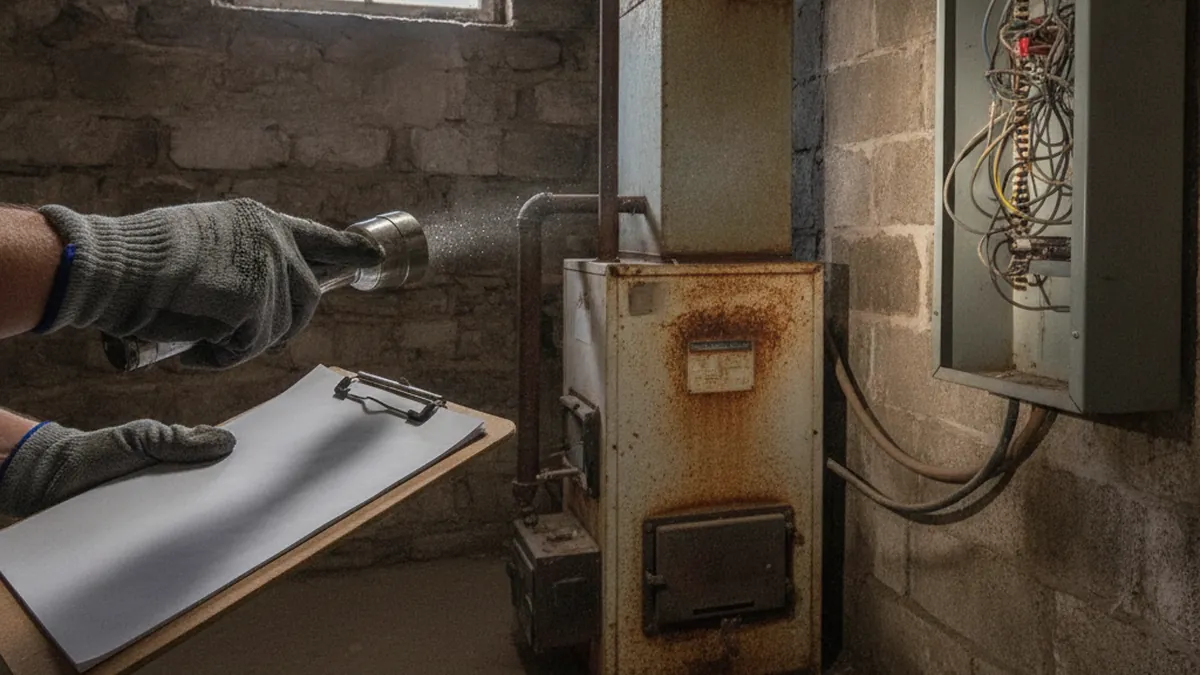
What is covered — and what is not
A standard inspection is visual and non-destructive: the inspector does not open walls, does not move occupants' belongings, and does not conduct laboratory tests. They assess what is apparent and accessible at the time of the visit. This limitation is normal and recognized: it is generally specified in the service agreement you sign before the inspection, and it is important to read it carefully to understand exactly what you are paying for.
Generally not covered by a basic inspection: the interior of walls and closed structures, detailed assessment of air quality, soil, or contaminants, precise estimates of the remaining service life of each component, and anything requiring a separate specialized assessment. When a serious concern arises, the inspector will recommend engaging the appropriate professional.
Note — direct sale: ImmoMulti is a direct buyer of plex and multiplex properties on the North Shore, not a broker. If you prefer to sell without preparing a file or scheduling multiple showings, you can receive a firm offer within 48 h, with no commission. Receive an offer →
How much does a plex inspection cost? The factors
There is no single rate: the cost of an inspection varies based on several factors specific to the property. Before comparing quotes, it helps to understand what drives the price.
- Building size — the larger the floor area and number of storeys, the longer the examination takes.
- Number of units — each unit adds components to verify (kitchen, bathroom, plumbing, electrical), extending the inspection.
- Age and condition — an older building or one showing signs of problems requires a more thorough examination.
- Accessibility — a roof, crawl space, attic, or occupied units that are difficult to access complicate and lengthen the visit.
- Additional services — thermal imaging, drone, supplementary tests, or detailed reports may be added to the base fee.
As a rough guide only, inspection of a small plex often falls within a range of a few hundred dollars, and rises for a larger multi-unit building where the examination takes longer. These amounts vary widely from one mandate to another: always request a written quote specifying the included scope, and compare what is covered as much as the listed price.
Inspection, latent defects, and legal warranty
In Quebec, the seller is bound by a legal warranty of quality that covers latent defects. A latent defect is a serious defect, pre-existing the sale, that is not apparent and that the buyer could not have detected through an ordinary and careful examination. The inspection plays a dual role: it helps the buyer fulfil their duty of careful and diligent examination, and it documents what was apparent at the time of the visit.
In practice, a defect clearly visible and noted in the inspection report is generally no longer considered "hidden": the buyer was aware of it before purchasing. Conversely, the inspection does not eliminate the legal warranty for defects that are truly undetectable — a serious problem concealed behind a finished wall, for example, may remain a latent defect despite a thorough inspection. This is also why waiving the inspection can weaken a future claim: the buyer may be faulted for not being sufficiently careful.
Disputed situations depend closely on the specific facts and applicable law. For a specific file or a dispute, do not rely on a general guide: consult a notary or a lawyer. This guide is provided for informational purposes only and does not constitute legal advice.
How to choose a good inspector
Important: in Quebec, the building inspector profession is not yet regulated by a professional order. In theory, anyone can present themselves as an inspector. You therefore need to exercise extra caution and rely on concrete benchmarks:
- Recognized association — favour an inspector who is a member of an industry association, for example the AIBQ (Association des inspecteurs en bâtiment du Québec), which imposes practice standards on its members.
- Professional liability insurance — verify that they hold one; it is essential in case of error or omission.
- Experience with plex and multiplex buildings — inspecting an income property differs from inspecting a single-family home; ask about their actual volume on this type of building.
- Clear service agreement — it must specify the scope, limitations, and exclusions of the inspection. Ask for a sample report before engaging them.
A good inspector also takes the time to explain their findings on site, lets you ask questions, and delivers a clear written report with photos that you can review before deciding. Be wary of an inspection completed in just a few minutes or a purely verbal report.
Not sure which specialist to engage for your project? Our quiz can guide you: find the right specialist.
A plex to sell on the North Shore?
Find the right specialist for your project, or receive a direct offer from ImmoMulti — no commission and no inspection file to prepare.
Find my specialist →