
Quick answer
Over 80% of plex purchase offers on the North Shore include an inspection condition. A building inspector checks 10 key areas — roof, foundations, electrical, plumbing, heating, envelope, insulation, fire separations, moisture, and unpermitted work — each capable of triggering a CA$3,000–CA$100,000 price reduction request or deal cancellation. ImmoMulti buys plex properties as-is with no inspection condition: firm offer in 48 h, no post-inspection renegotiation.
On the North Shore, more than 80% of plex transactions include an inspection condition — and some of the 10 points verified by the inspector have the power to cancel an offer or trigger a price reduction request of $20,000 to $80,000. ImmoMulti, a direct buyer of multi-unit properties in this market, consistently observes these same issues in the income properties it evaluates. Knowing these points in advance allows you to prepare your property strategically before listing, correct what can be corrected, or decide whether a direct sale without inspection — an option where no post-inspection price reduction is possible — is better suited to your situation. This guide details the 10 points that every serious plex buyer on the North Shore checks, along with their potential financial impact on your transaction.
What role does the inspection play in the sale of a multi-unit property on the North Shore?
In Quebec, more than 80% of plex purchase offers include an inspection condition. A certified building inspector evaluates the property over 3–6 hours and produces a report classifying deficiencies as minor, major, or urgent. Major or urgent findings can trigger a price reduction request of CA$5,000–CA$80,000 or full cancellation of the transaction — and the seller does not automatically receive a copy of the report.
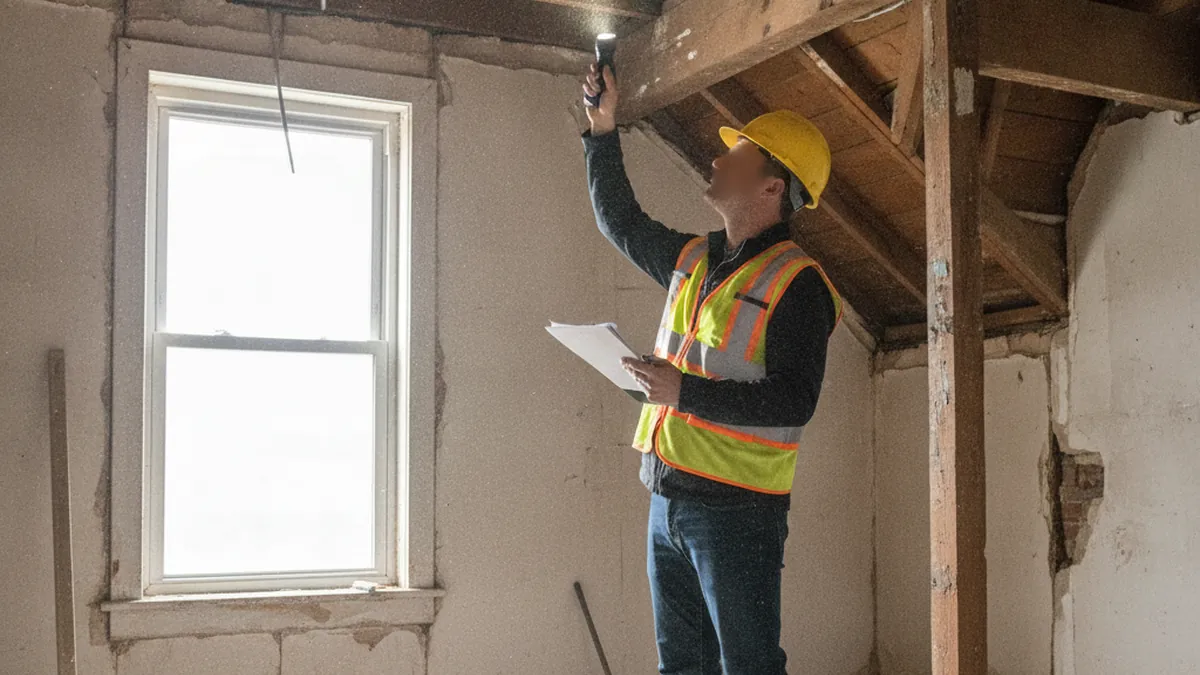
In Quebec, according to data from the APCIQ, more than 80% of plex transactions include an inspection condition. Inspection has become the norm — and for an income property, it is more complex than for a single-family home: the inspector must evaluate multiple units, shared systems, and verify the building's compliance with Building Code requirements for rental use.
An income property inspection can last 3 to 6 hours depending on size. The final report, delivered to the buyer, classifies each observation as a minor, major, or urgent deficiency. Major and urgent deficiencies are those that can trigger a renegotiation or cancellation of the transaction.
One essential point to keep in mind as a seller: what the inspector finds is not systematically communicated to you. The inspector works for the buyer. You can therefore be caught off guard if a deficiency discovered during the inspection triggers a price reduction request or buyer withdrawal, without having had the opportunity to prepare. This is one reason why knowing these ten points in advance is a strategic advantage for the seller.
What are the 10 points that determine the outcome of a plex inspection?
The 10 critical inspection points for a plex: (1) roofing and flashings, (2) foundations and water infiltration, (3) electrical panel and wiring, (4) plumbing and main drain, (5) heating system, (6) building envelope and windows, (7) insulation and vapor barrier, (8) fire separations between units, (9) moisture and mould, (10) unpermitted modifications. Each can trigger a price reduction or condition to correct the issue before closing.
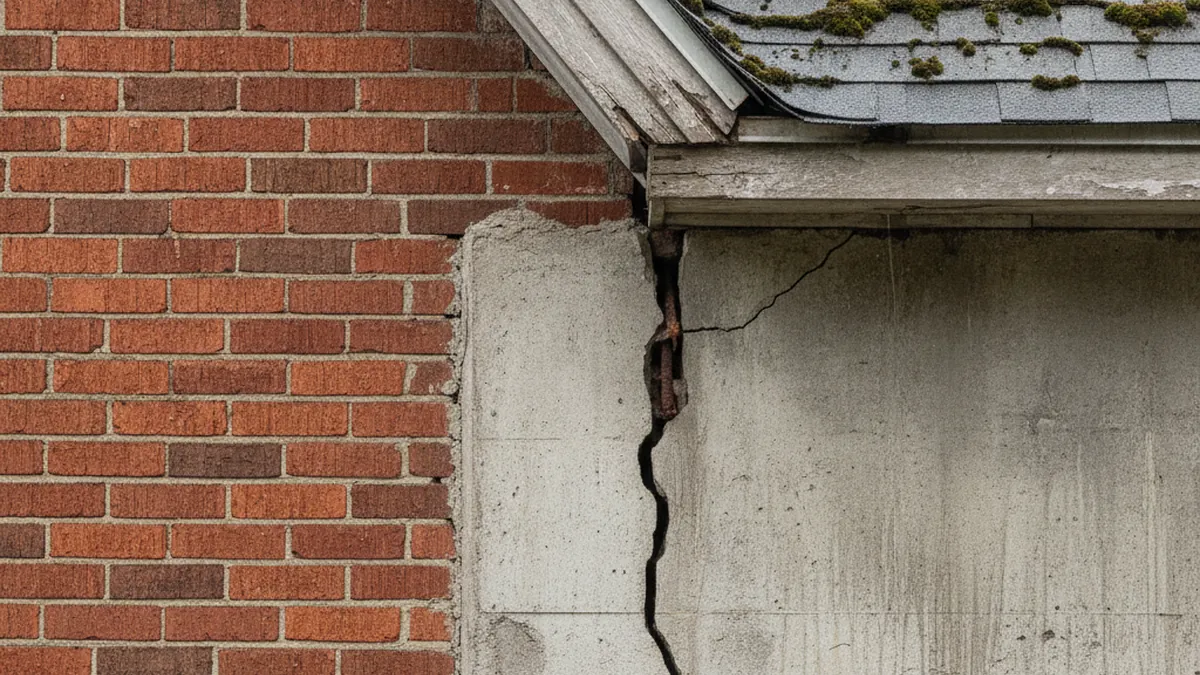
Here are the ten elements that every building inspector mandated by a plex or multi-unit buyer on the North Shore will systematically verify — and their potential impact on your transaction.
Roof — Roofing, flashings, gutters
The roof is the first point of attention for any inspector evaluating an income property. An asphalt shingle roof has a lifespan of 20 to 25 years. A roof nearing the end of its life or with active water infiltration defects is automatically classified as a major deficiency.
The inspector checks: the estimated age of the shingles (curling, lost granules), the condition of flashings around chimneys and ventilation outlets, and traces of water infiltration in the attic and under rooms located below the roof.
Foundations — Cracks, water infiltration, pyrite
Concrete or rubble stone foundations, common in plexes built before 1970 on the North Shore, are inspected for active cracks, signs of frost heave, chronic moisture, and efflorescence. Floor joists and load-bearing beams are also checked.
An active foundation crack or signs of structural movement are the most serious deficiencies an inspector can note — they can lead to outright cancellation of the transaction or a substantial price reduction request.
Electrical — Panel, wiring, aluminum
Electricity is the second category of major deficiencies in older plexes in Quebec. The inspector checks: the type and capacity of the electrical panel (a 60-amp panel or first-generation aluminum panel is an automatic major deficiency), the presence of non-certified ALR/AL-CU aluminum wiring in branch circuits, grounding of outlets, and the general condition of visible wiring.
An end-of-life or undersized electrical panel for a multi-unit rental property can cost $3,000 to $8,000 to replace — an amount buyers systematically factor into their negotiation.
Plumbing — Lead pipes, condition of drains
For a multi-unit property, plumbing is a critical system because failures affect multiple units simultaneously. The inspector checks: the presence of lead pipes (banned since 1980 but still present in some older buildings on the North Shore), connections under sinks and in basements, and the condition of the main drain (sometimes inspected by camera if the buyer requests a supplemental test).
A blocked or damaged main drain can cost $3,000 to $15,000 to repair or replace depending on depth and length. This is often a work request or price reduction in buildings over 40 years old.
Heating — Furnace, heat pump, common areas
In a plex with centralized heating (hot water boiler serving multiple units), the inspector checks the age and condition of the boiler, radiators, and distribution system. For units with individual electric heating, baseboards and thermostats are checked unit by unit. The condition of kitchen and bathroom ventilation systems is also noted.
An end-of-life boiler in a centrally heated building can represent $8,000 to $20,000 in replacement — an amount that systematically generates a price reduction or credit request.
Building envelope — Cladding, windows, doors
The condition of brick, stucco, exterior cladding, and masonry joints is inspected for cracks, deteriorated joints (caulking, mortar), and signs of water infiltration through walls. The age and condition of windows are noted — single-glazed windows or failed thermal glazing units (seal failure, interior condensation) represent a significant replacement budget.
Insulation — Attic, walls, vapor barrier
Insulation is checked in the attic (accessible to the inspector in most plexes) and flagged if it is insufficient according to current standards or if problematic materials are present (collapsed rock wool, insufficient insulation). In plexes built between 1950 and 1975, the presence of asbestos in insulation materials (pipe insulation, loose-fill insulation of the zonolite/contaminated vermiculite type) is a particular point of concern.
Fire separation — Fire walls between units
The Quebec Building Code requires fire separations between units in an income property. The inspector verifies that walls and floors between units provide the required fire resistance — which can be compromised by unpermitted modifications (unsealed openings, thermal insulation incorrectly installed in party walls). Deficiencies at this level can require costly compliance work.
Moisture, mould, pyrite — Tests, efflorescence
Excessive moisture in basements, crawl spaces, and attics can generate mould — a major deficiency in any inspection report. The inspector uses a moisture meter and their senses to detect signs. Pyrite (swelling of basement floor concrete) is also checked in plexes in Montreal's northern suburbs, where this problem is documented in certain neighbourhoods.
Unpermitted modifications — Extensions, conversions
The inspector notes elements that appear to have been modified without permits or that do not comply with current codes: a basement unit without a compliant emergency exit, plumbing or electrical work done without a permit, additions that do not conform to the certificate of location. These items can trigger compliance requests from the municipality — costly work that the buyer will demand be resolved before the sale or reflected in the price.
"A well-maintained plex with a documented file — work permits, maintenance invoices, roof age confirmed by invoice — generates inspections with no surprises. The problem is that in our estimate, the majority of plexes sold on the North Shore don't have this file. And that's where inspections trigger renegotiations."
— ImmoMulti Team, multi-unit investor, North Shore, June 2026
What is the financial impact of each inspection point on your offer?
The most costly inspection findings: active foundation cracks (CA$10,000–CA$100,000+, can cancel the transaction), mould or chronic moisture (CA$2,000–CA$50,000+), end-of-life roofing (CA$10,000–CA$20,000 replacement, very frequent), 60-amp panel or non-certified aluminum wiring (CA$3,000–CA$8,000), and aging heating systems (CA$5,000–CA$20,000). Each translates directly into a negotiated price reduction or repair condition.
| Defect | Frequency in inspections | Impact on offer | Avg correction cost |
|---|---|---|---|
| End-of-life roofing | Very frequent | Price reduction or credit | $10,000–$20,000 |
| Active cracked foundations | Moderate | Cancellation or major reduction | $10,000–$100,000+ |
| 60-amp panel / aluminum wiring | Frequent (pre-1990) | Price reduction | $3,000–$8,000 |
| Outdated plumbing / main drain | Frequent | Reduction or repair condition | $3,000–$15,000 |
| Aging heating system | Moderate | Reduction or credit | $5,000–$20,000 |
| Degraded windows / envelope | Frequent | Minor to moderate reduction | $2,000–$15,000 |
| Insufficient insulation | Moderate | Noted in report, moderate impact | $1,000–$5,000 |
| Non-compliant fire separations | Infrequent | Code compliance request | $3,000–$20,000 |
| Mould / chronic moisture | Frequent (basements) | Reduction or cancellation | $2,000–$50,000 |
| Unpermitted modifications | Moderate | Varies by municipality | Variable |
How to prepare your plex to reduce inspection surprises?
Four preparation actions reduce inspection surprises: (1) gather maintenance documents (roof, boiler, electrical, permits); (2) fix visible minor deficiencies before inspection day; (3) ensure all spaces are accessible (attic, basements, electrical panels, crawl spaces); (4) coordinate tenant access in advance with 24 hours notice as required by Quebec law. A documented maintenance file is the most effective way to reduce the risk of post-inspection renegotiation.
If you choose to sell your plex through the traditional route (with an inspection condition), here are the actions that reduce the risk of a post-inspection renegotiation:
- Gather maintenance documents. Roof replacement invoices, boiler maintenance contracts, obtained work permits — every document you can present to the inspector reduces the level of uncertainty in the report. The OACIQ recommends building a property file before any listing.
- Fix visible minor deficiencies. Leaking faucets, superficial cracks in stucco, deteriorated caulking joints around windows — these small visible problems give the inspector a poor first impression and can accumulate into a long list that discourages the buyer, even if each individual item is minor.
- Ensure access to all spaces. The inspector must be able to access the attic, basements, electrical panels in each unit, and crawl spaces. Blocked or difficult access generates uncertainty notes in the report — which is sometimes worse than a documented problem.
- Coordinate tenant access in advance. As mentioned in our guide on purchase offer clauses to watch for, tenants must receive 24 hours notice for any visit. Coordinate this access as soon as the purchase offer is accepted so that the inspection can take place quickly and completely.
Is it possible to sell your plex without an inspection on the North Shore?
Yes. Selling directly to a professional buyer like ImmoMulti eliminates the inspection condition entirely. ImmoMulti buys income properties as-is based on an in-house assessment during a preliminary visit — no inspection condition, no post-inspection price reduction, no delays from coordinating tenant access. Firm offer within 48 hours, transaction at the notary in 30 days.
For owners of plexes and income properties on the North Shore who have a building with known deficiencies, who do not wish to carry out work before the sale, or who want to avoid the risks associated with an inspection condition, a direct sale represents a structurally different alternative.
ImmoMulti buys multi-unit properties as-is, without an inspection condition. We evaluate the building during a preliminary visit and factor the building's condition into our offer — there is no post-inspection renegotiation, no price reduction request based on the inspector's report, no delays related to coordinating tenant access.
The process is simple: you contact us, we visit the building, we submit a firm purchase offer within 48 hours, and if you accept, the transaction closes at the notary within 30 days. Zero commission, zero inspection condition, zero surprises after signing. To estimate what your building could be worth in a direct sale, use our offer calculator.
Informational content only. Does not constitute legal, tax, or building advice. The cost estimates presented are approximate ranges based on 2026 market data in Quebec and may vary depending on the specific characteristics of your building. Consult a certified building inspector (AIBQ or InterNACHI Quebec) for a precise evaluation. For information on building regulations in Quebec, consult the Régie du bâtiment du Québec and Éducaloi.
Frequently Asked Questions


