Income Property
Renovation Cost Calculator
Configure each unit — size, finish tier, materials — and check off the trades to complete. The total budget updates in real time, with a contingency reserve and average cost per unit. Followed by a comprehensive multiplex renovation guide.
Thinking about selling your property?
Receive a written offer within 48 h — no fees, no agent.
Get an offer →Estimates based on average indicative costs in Quebec (2026). Actual prices vary by scope, materials, contractor and region. Always obtain detailed quotes.
Renovating an income property: budget, trades and strategy
Planning a renovation budget properly is the difference between a profitable project and a money pit. Whether you are repositioning a recently acquired building or preparing for a sale, this guide helps you estimate costs trade by trade and invest where it truly counts.
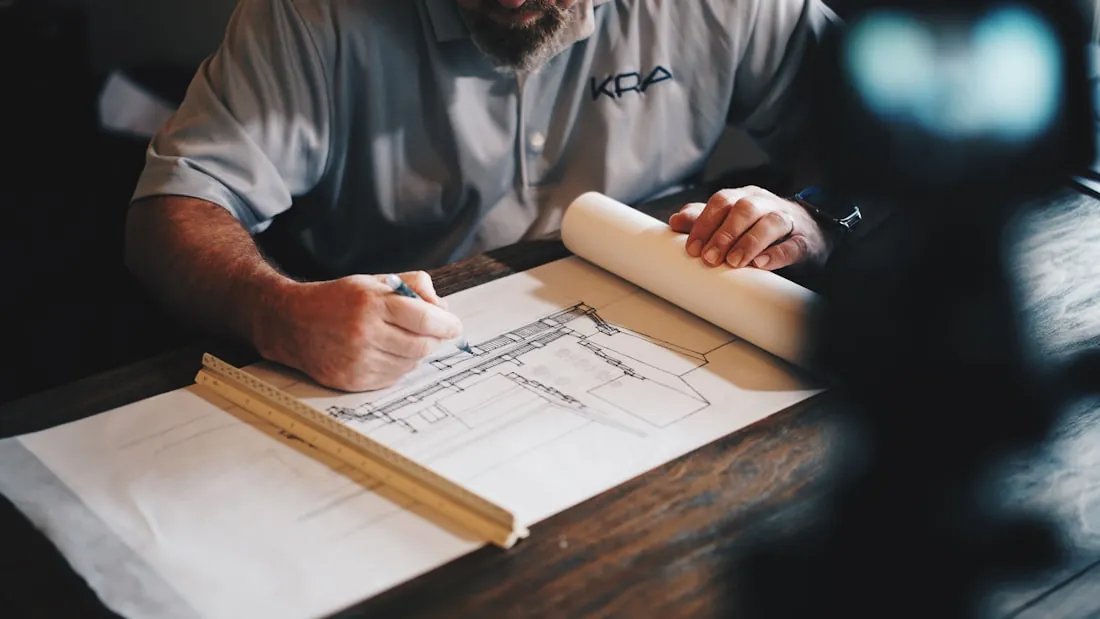
The main renovation trades
A multiplex renovation breaks down into interior trades, exterior trades and systems. Here are the main ones with indicative average costs in Quebec:
| Trade | Unit | Average cost |
|---|---|---|
| Kitchen | per kitchen | ≈ $12,000 |
| Bathroom | per bathroom | ≈ $8,000 |
| Windows | per window | ≈ $1,000 |
| Paint | per unit | ≈ $2,500 |
| Flooring | per sq. ft. | ≈ $7 |
| Roof | per sq. ft. | ≈ $10 |
| Facade / brick | per sq. ft. | ≈ $25 |
| Electrical (upgrade) | per unit | ≈ $4,000 |
| Plumbing | per unit | ≈ $3,500 |
These amounts are averages: finish level, materials and initial condition can cause prices to vary by a factor of two.
Light refresh or major renovation?
A light refresh (paint, flooring, surface-level kitchens and bathrooms) updates the building at moderate cost and often allows rent increases quickly. A major renovation (roof, windows, electrical, plumbing, structure) costs much more but protects long-term value and avoids nasty surprises.
Always budget a contingency reserve
In renovation, surprises are the rule, not the exception: opening a wall often reveals mould, outdated wiring or a drain to replace. Budget a reserve of 10% to 20% of your total to absorb these surprises. Our calculator includes it by default.
Which renovations increase value the most?
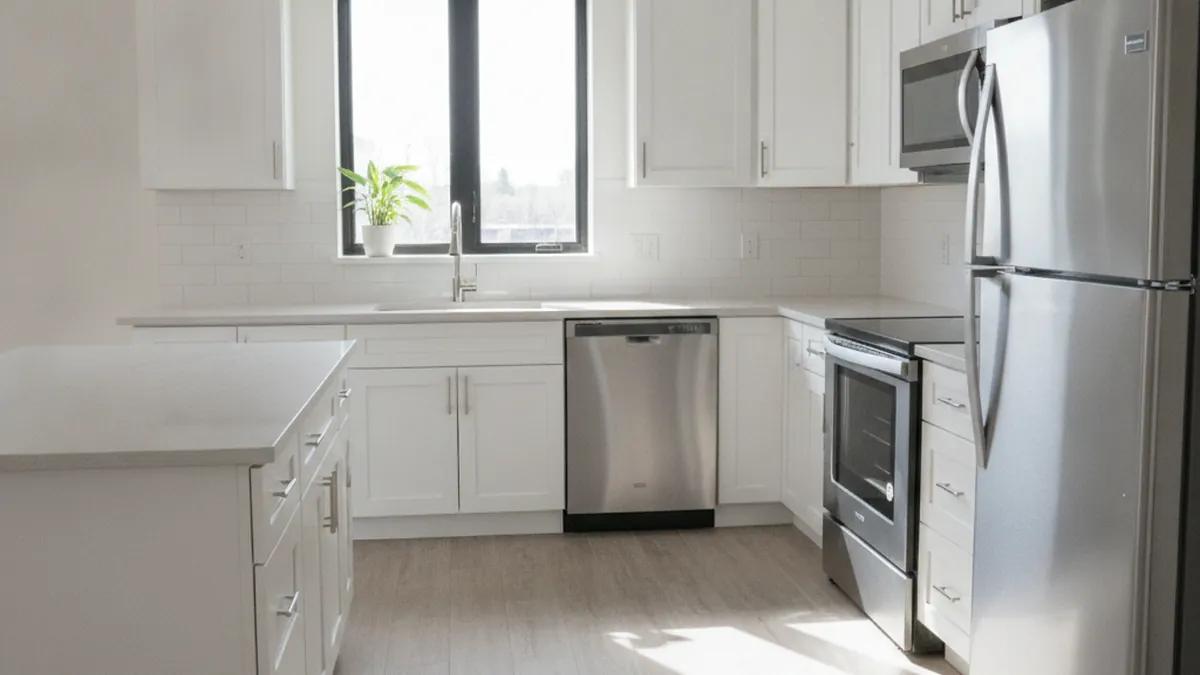
In income real estate, value follows net income. Renovations that justify a rent increase or reduce expenses deliver the best return:
- Kitchens and bathrooms: strong impact on achievable rent.
- Energy efficiency (windows, insulation, heating): cuts expenses and can earn points in the MLI Select program.
- Exterior appearance: attracts better tenants and improves perceived value.
How to finance your renovations
Several options exist: home equity line of credit, refinancing, construction loan, or an MLI Select (CMHC) structure for energy-efficient projects. Use our financing comparison tool and our MLI Select estimator to plan.
Common mistakes to avoid
- Underestimating the budget: always add a contingency reserve.
- Renovating without a rent strategy: every dollar invested should target income or savings.
- Ignoring permits: some work requires a municipal permit.
- Choosing the lowest bidder without vetting them: RBQ licence, references and insurance matter.
- Forgetting the sequence of trades: structure and systems before finishes.
Quick glossary
- Trade: a category of work (kitchen, roof, etc.).
- Contingency reserve: budget buffer for on-site surprises.
- Value-add: strategy of increasing property value through renovations.
- RBQ: Régie du bâtiment du Québec — Quebec's contractor licensing body.
- Cost per door: total budget divided by the number of units.
20 answers about renovating
an income property
It depends on the scope. A light refresh can cost a few thousand dollars per unit, while a major renovation (roof, windows, systems) can reach tens of thousands of dollars per door. Our calculator gives you an estimate by trade.
For a rental unit, budget around $12,000 on average, ranging from $8,000 for a budget kitchen to over $20,000 for a high-end finish.
A rental bathroom typically runs between $6,000 and $12,000, depending on scope (tile, plumbing, ventilation). We use $8,000 as our average.
Budget approximately $800 to $1,500 per window, including installation, depending on size and type. Replacement improves energy efficiency and tenant comfort.
A reserve of 10% to 20% of the budget is recommended. The older the building or the more uncertain its condition, the higher the reserve should be. Our calculator defaults to 15%.
Those that justify a rent increase (kitchens, bathrooms) or reduce expenses (energy efficiency). In income property, value follows net income.
Often yes, especially for structural work, additions, plumbing or electrical. Check with your municipality before starting.
Strongly recommended. Verify the RBQ licence, insurance and references. A licensed contractor protects you if problems arise and is often required for certain trades.
Prioritize high-ROI trades, get multiple quotes, plan the sequence of work, and avoid changes mid-project — they blow up costs.
Yes: home equity line of credit, refinancing, construction loan, or an MLI Select (CMHC) structure for energy-efficient projects. See our financing comparison tool and MLI Select estimator.
Approximately $8 to $15 per sq. ft. depending on type (elastomeric membrane, shingles, flat roof). For a mid-size building, this often means several thousand to tens of thousands of dollars.
Cost per door (total budget ÷ number of units) is a practical benchmark for comparing projects. Our calculator computes it automatically.
Approximately $3,000 to $6,000 per unit, depending on the panel and wiring condition. This is an important item for the safety and insurability of an older building.
Not necessarily. Some buyers, like ImmoMulti, buy properties that need renovation and prefer to do the work themselves. You can sell as-is and skip the construction hassle.
These are indicative averages for budget planning. Actual prices depend on materials, the contractor and the building's condition. Always get detailed quotes.
A unit refresh takes a few days to a few weeks; a major full-building renovation can stretch over several months. Coordinating trades is key.
Major renovations may justify a rent increase, but the Rental Housing Tribunal (TAL) regulates increases. Document your work and familiarize yourself with the applicable rules.
Yes, completely free, no sign-up required. It runs in your browser and collects no data. Adjust quantities as many times as you like.
First safety and the building envelope (roof, structure, electrical, plumbing), then systems, then revenue-generating finishes (kitchens, bathrooms, paint).
Yes. We often buy properties to reposition and carry out the renovations ourselves. If you prefer to sell without doing any work, contact us for an offer.
Don't want to renovate? Sell as-is.
ImmoMulti buys income properties that need work on the North Shore — no renovation required on your part. Written offer within 48 h, no agent, no commission.
Estimate my selling offer →Looking to acquire a multiplex?
ImmoMulti provides access to off-market assignments on the North Shore — properties not listed on Centris or DuProprio. Join the network to be first notified of qualified opportunities.