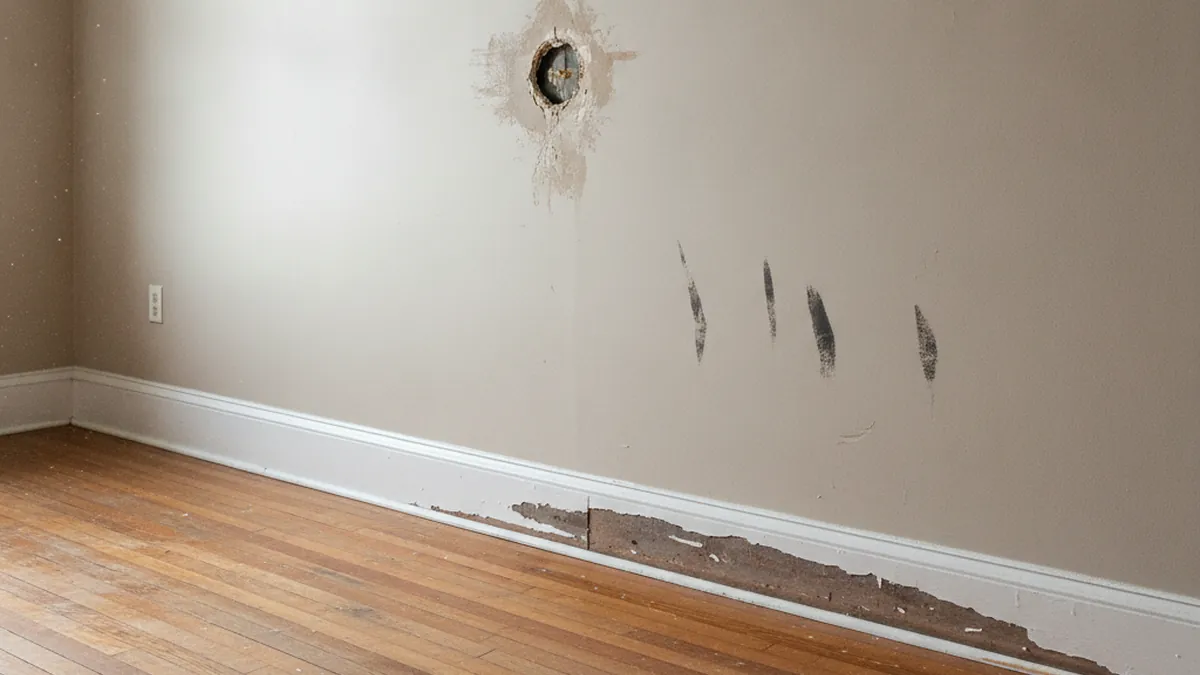
ImmoMulti — direct buyer of income properties on the North Shore — reminds every plex owner of a reality worth knowing: bed bugs are not just a tenant's nuisance, they are a landlord's legal obligation. The Civil Code of Québec requires you to deliver and maintain the dwelling in good habitable condition (arts. 1854 and 1910), and the fight against vermin — including bed bugs — is the landlord's responsibility. Once notified, you must immediately hire a qualified exterminator and grant access to the entire building. Handled well, an infestation is resolved and does not block a sale. Handled poorly, it can lead to a rent reduction, damages, or even lease termination before the Tribunal administratif du logement. Here is how a North Shore multiplex owner should approach it.
Must the landlord provide a dwelling free of bed bugs?
Yes. The landlord must deliver the dwelling in good habitable condition (art. 1854 C.C.Q.) and keep it that way throughout the lease (art. 1910 C.C.Q.). Unsanitary conditions include the presence of vermin such as bed bugs: it is the landlord's responsibility to combat them to keep the dwelling in good condition, the Tribunal administratif du logement confirms.
The most fundamental obligation of a plex owner in Québec is to provide a dwelling fit to live in decently. The Civil Code of Québec is clear: the lessor must deliver the dwelling in good state of repair, habitability and cleanliness (art. 1854), and must maintain it in good habitable condition throughout the lease (art. 1910).
The Tribunal administratif du logement (TAL) explicitly lists bed bugs among cases of unsanitary conditions, alongside cockroaches, ants and other pests. According to the TAL, it is the landlord's responsibility to combat these nuisances to keep dwellings in good condition. In other words, as soon as an infestation affects a unit in a North Shore multiplex or anywhere in Québec, the responsibility to treat it lies with the landlord — not the tenant.
Source: Tribunal administratif du logement — "Unsanitary conditions" and TAL — "Rights and obligations of the lessor" (arts. 1854, 1910 and 1911 C.C.Q.).
Who pays for bed bug extermination, the landlord or the tenant?
As a rule, the landlord bears the cost of extermination, under the duty to maintain a habitable dwelling (art. 1910 C.C.Q.). The tenant could only be held liable if the landlord proves before the TAL that the infestation results from the tenant's fault — a difficult thing to prove.
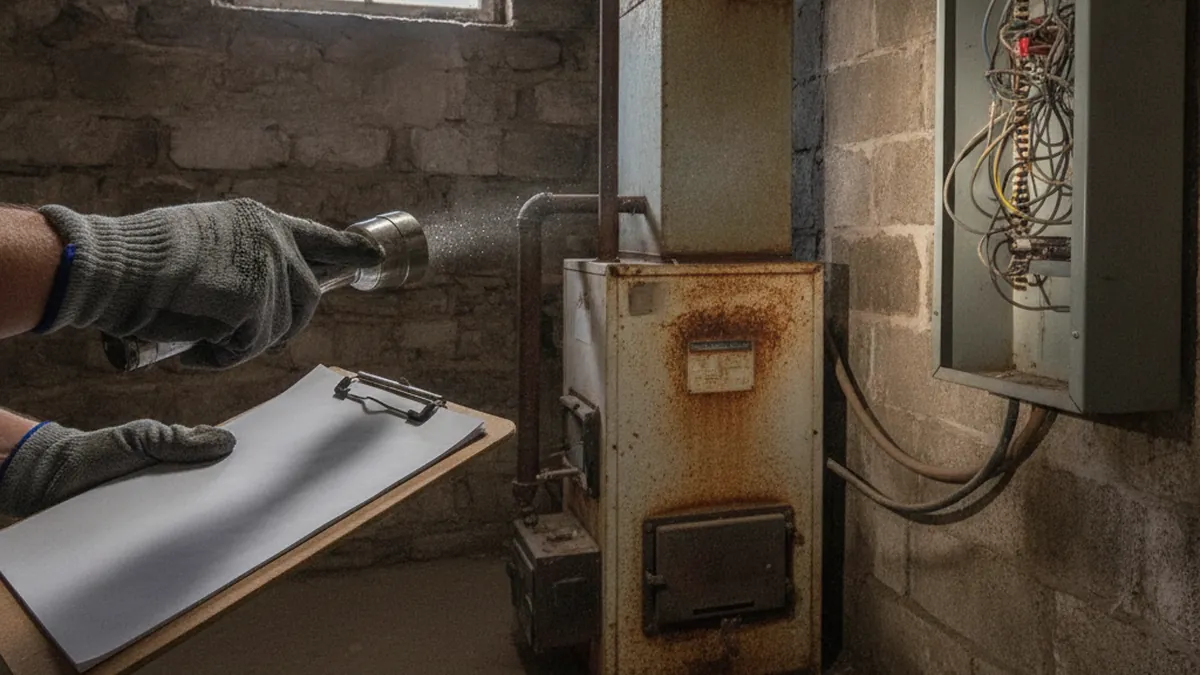
Cost sharing is what worries plex owners most. The default answer is simple: the duty to maintain and provide a habitable dwelling rests with the landlord, so it is up to the landlord to have the infestation treated and to pay for it. The City of Montréal confirms this: once notified, the landlord must immediately call a qualified exterminator and allow them to visit the entire building.
The tenant, for their part, must not try to solve the problem themselves — over-the-counter products often move the infestation without eliminating it. Their role is to notify quickly, help prepare the unit (move furniture, wash and dry linens at high temperature), and let the exterminator work.
Can you bill extermination to the tenant? Rarely. You would have to prove before the TAL that the infestation results from the tenant's fault — for example knowingly bringing in infested items. This is hard to establish, because bed bugs travel by many routes (visitors, used furniture, neighbouring units of the same plex). When in doubt, a prudent owner treats first and documents afterward; for a specific disputed case, it is wise to consult a legal professional.
What the landlord must do as soon as it is reported
- Immediately hire a qualified exterminator
- Grant access to the whole building to assess the extent of the infestation
- Treat adjacent units, not only the one reported
- Keep invoices and proof of declaration to the City as evidence of diligence
Source: City of Montréal — "How to get rid of bed bugs".
What deadlines and procedure must be followed?
Speed is the landlord's best ally. A bed bug infestation multiplies fast and spreads from unit to unit in a triplex or quadruplex. Here are the milestones to know, according to the City of Montréal:
| Step | Who | Deadline / obligation |
|---|---|---|
| Reporting the infestation | Tenant | Immediately, no later than 10 business days, by registered mail |
| Calling a qualified exterminator | Landlord | Immediately after notice |
| Access to the whole building | Landlord | Allow inspection and treatment of the entire building |
| Declaring the intervention | Exterminator | Within 5 days (City of Montréal form) |
The registered mail is not a trivial formality: it creates a dated written trace of the notice, essential if the case ends up before the TAL. For the landlord, the counterpart is to document every step of the response — date of notice received, date the exterminator was called, treatment and follow-up reports. This documentation shows diligence and protects both against a tenant claim and during a future sale.
A partial treatment is a false economy
Treating only the reported unit in a plex often leaves a surviving bed bug population in the walls, floors and neighbouring units, which then reinfests the building. The City of Montréal insists: the exterminator must be able to visit the entire building. A complete treatment, often in two passes, costs more up front but avoids a cycle of repeat infestations.
What can the tenant do if the landlord does not act?
The tenant can apply to the Tribunal administratif du logement for an order forcing the work, a rent reduction, damages, or termination of the lease if the dwelling becomes unfit for habitation. A landlord who ignores a TAL order can face a contempt charge, punishable by a fine up to $10,000.

If a landlord delays or refuses to treat bed bugs, the tenant has real remedies. They can apply to the Tribunal administratif du logement for an order to perform the work when its absence risks making the dwelling unfit for habitation, or when it has already become unfit. Depending on the circumstances, they may also claim a rent reduction for loss of enjoyment, damages, and in serious cases termination of the lease.
The TAL has teeth: a defendant who refuses to comply with an order to perform work can face a charge of contempt of court, punishable by fines up to $10,000. In Montréal, the tenant can also call 311 to request a municipal inspection of the dwelling.
For the landlord, the lesson is clear: acting fast almost always costs less than mounting a defence. A well-executed extermination is far cheaper than a retroactive rent reduction plus damages, not to mention the time and stress of a hearing.
"The lessor is bound to deliver the dwelling to the lessee in good habitable condition […] and to maintain it that way throughout the lease."
— Obligations of the lessor (arts. 1854 and 1910 C.C.Q.), Tribunal administratif du logementSource: Tribunal administratif du logement — "Rights and obligations of the lessor".
Does a bed bug infestation hurt the value and sale of a plex?
An active or recent untreated infestation can slow a sale: it can be treated as a matter to disclose, scare off financed buyers, and serve as leverage for a lower price. A treated, documented and monitored infestation does not prevent a sale. Transparency and a complete written trail are the seller's best protection.
From the standpoint of a North Shore plex seller, bed bugs touch three levers of the transaction:
- Disclosure: an active or recent infestation is a relevant fact the buyer will want to know. Transparency protects the seller; a hidden problem can resurface as a defect claim after the sale.
- Buyer financing: a building with an active infestation can complicate the pre-purchase inspection and mortgage financing, narrowing the buyer pool to cash buyers or those negotiating a discount.
- Price: an unresolved infestation becomes powerful leverage for a lower offer. Conversely, extermination invoices and a City declaration showing a resolved problem reassure the buyer.
The good news: a well-treated and documented infestation is not a deal-breaker. For an owner who would rather skip the preparation, showings and uncertainty, a direct sale to a specialized buyer like ImmoMulti remains an option — we buy North Shore income properties as-is, with tenants in place, no broker, no commission.
ImmoMulti: direct buyer of North Shore income properties
Managing an infestation or a building that has had sanitation issues? We can make you a direct, confidential offer — no public listing, no broker. Get a proposal within 48 hours.
How can bed bugs be prevented in an income property?
The Québec government recommends avoiding picking up mattresses and upholstered furniture left on sidewalks, inspecting and treating second-hand items (hot steam, anti-bed bug covers), and checking a mover's anti-bed bug measures. For a plex owner, inspecting at each tenant turnover and reacting quickly to the first report limit the spread.
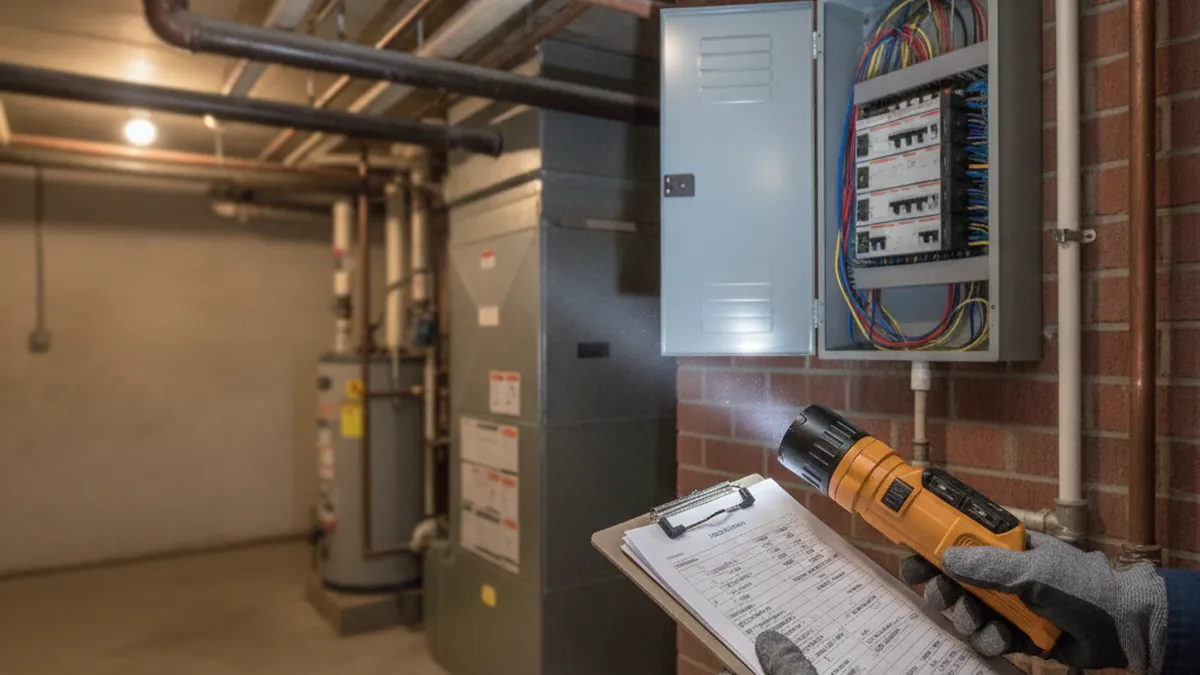
Prevention costs far less than treatment. The Québec government offers several recommendations useful to any multiplex owner:
- Beware of used items in bad condition left on sidewalks — mattresses, box springs, upholstered furniture — which may be infested.
- Inspect and treat second-hand items: hot steam, then an anti-bed bug cover for mattresses and box springs after treatment.
- Carry used clothing in a sealed bag so nothing can enter or leave the container.
- Check a mover's anti-bed bug measures before choosing one.
- Avoid accumulating items that multiply the number of possible hiding places.
For a North Shore plex owner, two management habits complete this advice: inspect each unit at tenant turnover — an ideal moment to catch a budding infestation early — and react without delay to the first report, which limits the spread and the cost of treating the whole building.
Rigorous sanitation management is part of a building's financial health. To go further on maintenance and reserves, see our guide to a plex's capital reserve fund, and for damage responsibilities, our article on damage caused by a tenant.
Source: Gouvernement du Québec — "Recognising bed bugs and preventing infestation".
Informational content only. Does not constitute legal or tax advice. Consult the Tribunal administratif du logement, your municipality, or a legal professional for advice specific to your situation.