Opinion column by the ImmoMulti Team. Facts are sourced; opinions are our own.
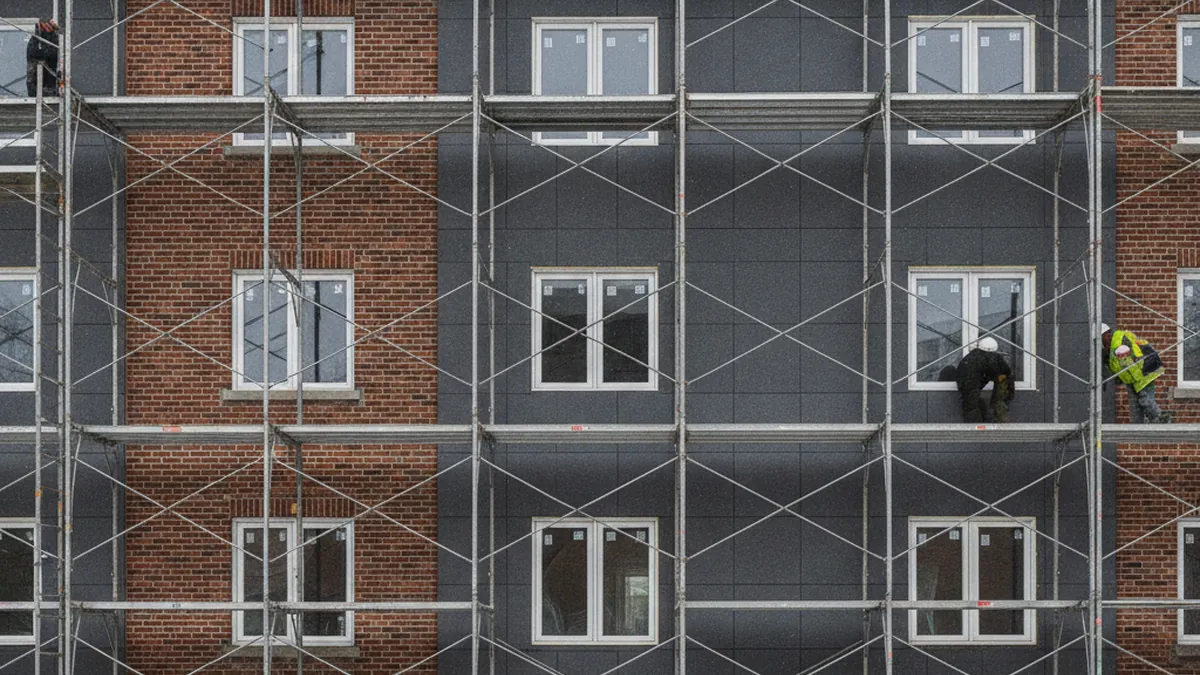
You have a renovation budget for your plex and one question keeps nagging: do you renovate for energy efficiency first — insulation, heat pump, windows — or do you redo the kitchens and bathrooms so the place "shows" well? As a direct buyer of multi-unit properties on the North Shore, we see both strategies. And no, they are not equal.
🔥 The Opinionated Take
Our position, plainly: on a North Shore plex, energy efficiency should come before aesthetics — especially if the owner pays part of the heating, plans a refinance, or holds a building from before 1990. Insulation, sealing and a heat pump attack a recurring cost that eats into your net income every month, and they unlock subsidies and preferential financing that a beautiful kitchen will never offer. Aesthetics are an accelerator — powerful, but they only pay in a specific context: a unit that is about to be re-rented, or a building you are putting on the market. Confusing the two means spending $40,000 on cabinets while the attic leaks its heat.
Energy Cuts a Cost; Looks Flatter the Eye
The fundamental difference comes down to one word: recurrence. An efficient heat pump or a well-insulated attic reduces an expense that comes back every month, every year. That gain capitalizes directly into the building's value, because a plex's value flows above all from its net operating income. Lower the energy bill, you raise net income; raise net income, you raise value — without touching rents.
A remodeled kitchen, however beautiful, lowers no cost. It acts on perception and on the achievable rent at the next re-rental. That's real, but conditional: if the unit is rented for ten years at a regulated rent, your quartz counter sleeps. Quebec's context — where more than one plex in four already operates at a deficit, according to CORPIQ — does not forgive spending that fails to cut costs, a topic we covered in our analysis of the Quebec small-landlord model under pressure.
Subsidies Lean Heavily Toward Energy
Here's the argument that alone often tips the scale: no one subsidizes you for a beautiful bathroom. No one lends you at a better rate for quartz. But for energy efficiency, the province and Hydro-Québec open the wallet.
Hydro-Québec's LogisVert program funds the installation of efficient heat pumps, insulation and envelope sealing; the amount for a heat pump is calculated from its heating capacity measured at -8°C, and the program targets owners of residential duplexes and small multiplexes linked to a Hydro-Québec account, per the official LogisVert program page. On top of that, you can combine it with an upfront Rénoclimat evaluation.
What energy unlocks that aesthetics can't
- Subsidy for installing an efficient heat pump (LogisVert, based on capacity at -8°C).
- Support for insulation and envelope sealing.
- Potential access to preferential CMHC MLI Select financing for a project targeting energy efficiency.
- Higher net income — and therefore better capitalized value at sale or refinance.
Source: Hydro-Québec — LogisVert Program. Always check current tiers and conditions on the official page.
When Aesthetics Actually Pay
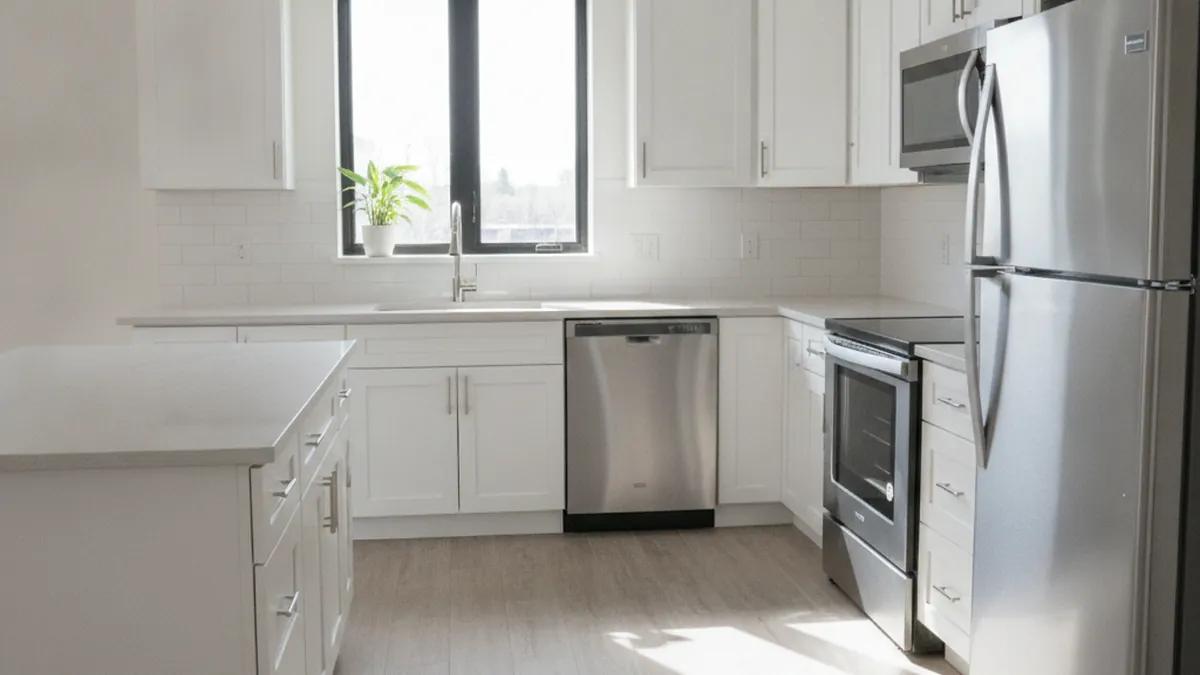
To be fair: aesthetics are not a whim. According to the APCHQ, a well-executed bathroom renovation recovers roughly 75% to 100% of the investment at resale, and kitchens are also among the most profitable renovations in Quebec, as the APCHQ notes on the added value of renovations. Quebec's residential renovation sector remains robust into 2025–2026.
But that return materializes in only two cases: (1) a unit that comes vacant and is re-rented, where a redone kitchen justifies a higher starting rent; or (2) a building you are putting up for sale, where first impression makes the difference. Outside of that, aesthetics improve the sitting tenant's comfort without improving your balance sheet. And beware: a major renovation can be amortized and grant a rent increase at the TAT, but at a legally set yield spread over the useful life — a slow mechanism, detailed by the Administrative Housing Tribunal on major works. This is exactly the debate we opened in our column on renovating everything before renting, or renting as-is.
🎭 Devil's Advocate
Honestly, the other side has good arguments. First, energy renovations have a long payback: a heat pump and insulation pay off over years of savings, whereas a beautiful kitchen can unlock a re-rental or a sale tomorrow. For an owner short on cash or planning to sell within 18 months, near-term "cash" comes faster from aesthetics.
Second, on a plex where tenants pay their own heating (individual heating), the energy saving benefits the tenant first, not the owner — the owner's incentive to invest in the envelope weakens. Finally, subsidies like LogisVert require an RBQ-licensed contractor, paperwork, and processing delays of several weeks: it is neither free nor instant money. A landlord in a hurry can legitimately judge that redoing a bathroom — with no subsidy but no strings — is simpler and pays back faster. This counterargument deserves respect.
The Verdict for a North Shore Plex Owner
Our verdict, after weighing both camps: energy efficiency first, aesthetics second — but calibrated to your horizon. If you're keeping the plex and paying heating: insulation, sealing and a heat pump come first, LogisVert subsidies in hand, because they cut a cost and capitalize into value. If a unit is about to come vacant, graft a targeted aesthetic renovation onto it to maximize the starting rent. If you plan to sell in the coming months, surface aesthetics can polish the first impression — but don't expect to recover 100% of a heavy job.
On the North Shore — Terrebonne, Blainville, Boisbriand, Saint-Eustache, Saint-Jérôme — most plexes are old and energy-hungry. That's precisely where the "energy" dollar works hardest. And if the idea of a long renovation before selling doesn't appeal, know there's another path: sell as-is, without renovating, to a buyer who absorbs the work for you.
The takeaway
Energy cuts a recurring cost and attracts subsidies; aesthetics only act on achievable rent and resale. Prioritize energy unless a unit is being re-rented or you're selling very soon.