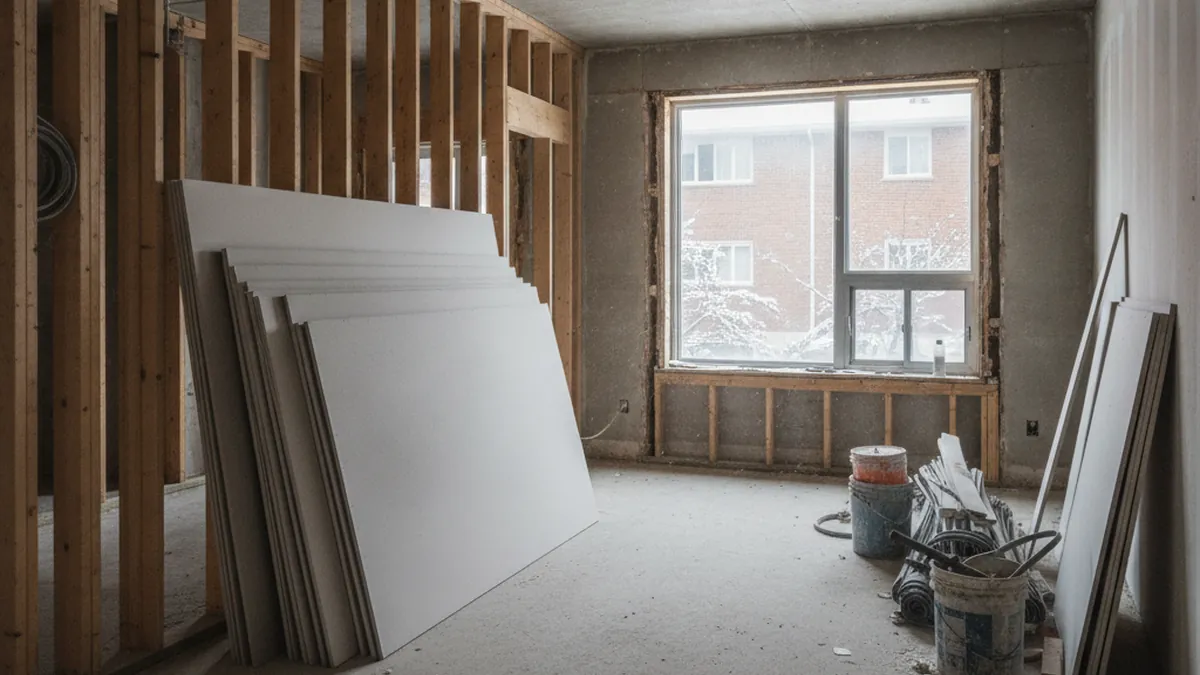
A major plex renovation — a new roof, reconfiguring a unit, replacing windows, bringing electrical up to code — can add real value to your income property… or turn into a nightmare. The difference comes down to four things: getting the right municipal permit, hiring an RBQ-licensed contractor, signing a solid written contract and understanding your warranties. At ImmoMulti, a direct buyer of multi-unit properties on the North Shore, we see too many owners overpay for poorly managed work. Here, from the owner's side, is how to secure a major renovation project in Quebec.
When is a municipal permit required to renovate a plex?
A construction or renovation permit is generally required as soon as work affects the structure, an addition, splitting a unit, plumbing, electrical, the roof, windows or the exterior appearance. Requirements vary from one municipality to the next.
The first step of a major renovation doesn't happen on the job site — it happens at the counter of your city's urban planning department. Each North Shore municipality — Terrebonne, Mascouche, Blainville, Boisbriand, Saint-Eustache, Deux-Montagnes — has its own planning by-law that determines which work requires a permit or a certificate of authorization. Like-for-like routine maintenance may be exempt, but work that alters the structure, adds floor area, changes the number of units, or modifies the exterior appearance almost always needs authorization.
Doing major work without a permit is a risky bet: fines, an order to restore or demolish, and — above all — a problem that resurfaces at sale time. A careful buyer, or their notary, will ask to see the permits. Undeclared work can also jeopardize an insurance claim. To gauge real permit-file timelines, see our guide on construction permit delays for a plex on the North Shore.
Reference: permit issuance rules are set by each municipality; check with your urban planning department. See also the Régie du bâtiment du Québec (RBQ) for the framework governing construction work.
How do you verify your contractor's RBQ licence?
In Quebec, a contractor who performs construction work for others must hold a licence from the Régie du bâtiment du Québec (RBQ) covering the relevant categories and subcategories. The good news: this check is public, free and takes two minutes.
Verify a licence in 4 steps
- Search the RBQ Register of licence holders by name or licence number.
- Confirm the licence is valid and active, with no suspension or restriction.
- Check that the subcategories actually cover your work (general, carpentry, plumbing systems, etc.).
- Get the licence number in writing and require it on the contract and invoices.
A contractor who hesitates to give you their licence number, or whose licence doesn't cover your work, is a red flag. Dealing with an unlicensed contractor leaves you with little structured recourse if the work is defective.
What written contract should you sign?
The written contract is your best insurance. A serious contractor will propose a detailed agreement on their own; be wary of one who wants to work "on a handshake" or demands a large cash deposit before starting. Your contract should cover at least the following elements.
| Clause | What it must specify |
|---|---|
| Scope of work | Full, room-by-room detail, backed by plans and specs. |
| Materials | Brands, models and grades; who supplies them. |
| Price | Fixed, or hourly with a capped estimate; how unforeseen items are handled. |
| Schedule | Start date, duration, any late penalties. |
| Payments | Staged by progress — never everything up front. |
| Holdback | Percentage withheld until final acceptance and correction of deficiencies. |
| Licence and insurance | RBQ licence number, proof of the contractor's liability insurance. |
| Warranties and termination | Applicable warranties and conditions for ending the contract. |
Staged payments and the final holdback are your two most powerful levers: they keep the balance of power in your hands until the work is done right. A major renovation also has tax implications; some expenses may qualify for a GST/QST rebate on rental-property renovation, provided you have compliant invoices.
What warranties protect a major renovation?
Several layers of protection may apply. It's essential to know which one actually covers you before you sign.
- Legal warranty against latent defects (Civil Code of Quebec): it applies to the work performed. This is your baseline protection against hidden defects.
- Contractor's contractual warranty: the term and scope the contractor offers directly. Get it in writing.
- Guarantee Plan for Residential Buildings (GCR): mandatory for new residential buildings and certain eligible additions, through an accredited contractor. A simple renovation of an existing plex is generally not covered — check your project's eligibility.
- Performance bond or guarantee: negotiate it into the contract for larger projects to protect against a contractor abandoning the job.
Confirm before you sign
Don't assume a guarantee plan "covers everything." Confirm in writing which warranty applies to your specific project, its duration and what it excludes. The GCR mainly governs new construction, not the renovation of an existing building.
Sources: Guarantee Plan for Residential Buildings (GCR) for eligibility; Office de la protection du consommateur for contracts and recourse.
Why avoid under-the-table workers?
"Cash" work — no RBQ licence, no invoice, no reporting — presents itself as a saving. It's often a false economy. If the work is defective or abandoned, you have no structured recourse. If an accident happens on your property, your liability can be engaged. Non-compliant work can jeopardize a future sale, fail an inspection, or trigger a denied insurance claim. And with no compliant invoice, no tax rebate or deduction is available.
The cash-up-front discount almost always hides a transfer of risk — the owner's, not the contractor's. To judge whether work is worth the investment relative to resale price, see our analysis of the impact of deferred maintenance on a plex's sale price.
Common mistakes to avoid
- Starting without a permit "because it's faster": fixing it later costs more than the permit.
- Not verifying the RBQ licence or the subcategories it covers.
- Paying a large cash deposit or the full amount before the work is finished.
- Relying on a verbal quote with no detailed written contract.
- Forgetting the final holdback and losing all leverage to fix deficiencies.
- Not requiring compliant invoices, which blocks tax rebates and warranties.
- Assuming a warranty without having it confirmed in writing.
A well-managed project protects your capital and your plex's resale value. If the work feels too heavy or not worthwhile, a direct sale remains an option: ImmoMulti buys multi-unit properties on the North Shore as-is, with no need to renovate first.
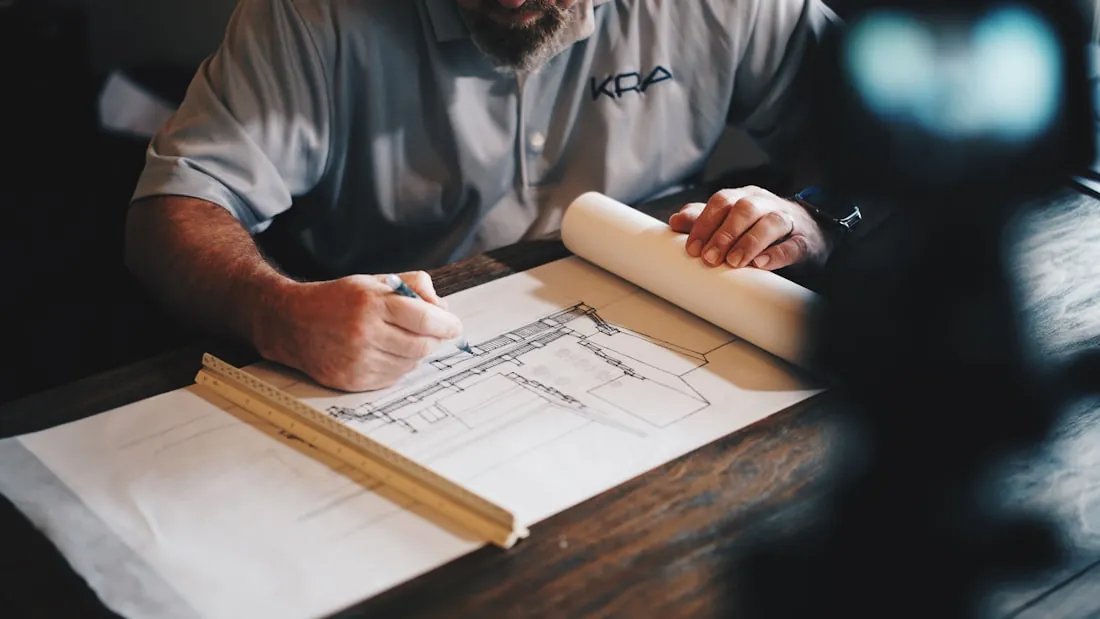
The permit application process, step by step
Many owners imagine "applying for a permit" is just filling out a form and waiting. In reality, a permit file for a major plex renovation is a mini-project of its own, with its documents, zoning checks and — in several North Shore areas — a committee review. Understanding the flow spares you the back-and-forth that stretches a timeline by weeks.
1. Validate zoning before you draw anything
Before you even pay for a plan, confirm that what you want is allowed at that address. Splitting a unit, adding a basement dwelling, an addition or a change of use are governed by the zoning by-law: setbacks, height, number of parking spaces, floor-area ratio. In Terrebonne as in Blainville, a technically feasible project can be prohibited by zoning. A call to the planning counter, or a written zoning-information request, costs a few dollars and saves you a plan paid for nothing.
2. Assemble the required documents
The pieces requested vary with the scope, but a major-renovation file almost always includes the items below. Prepare them before filing: an incomplete file is returned, and the timeline clock resets.
| Document | What it's for |
|---|---|
| Application form | Identifies the owner, the property, and the nature and value of the work. |
| Plans and specs | Architect or technologist plans for structural work, sections, elevations. |
| Certificate of location | Situates the building on the lot; often required for an addition. |
| Detailed cost estimate | Basis for permit fees and any required bond. |
| Contractor's RBQ licence | Several cities require the licence number on file. |
| PIIA documents | In designated areas: renderings, materials, colours, samples. |
3. The PIIA review: the delay everyone forgets
In areas subject to a site planning and architectural integration program (PIIA) — village cores, major-street frontages, heritage sectors — the application isn't processed at the counter: it goes before the planning advisory committee (CCU), then the municipal council. This path often adds several weeks, since the committee sits only once a month. If your plex changes its exterior appearance (cladding, windows, balconies, visible roof), check early whether you're in a PIIA zone: it's the step that derails the most renovation timelines.
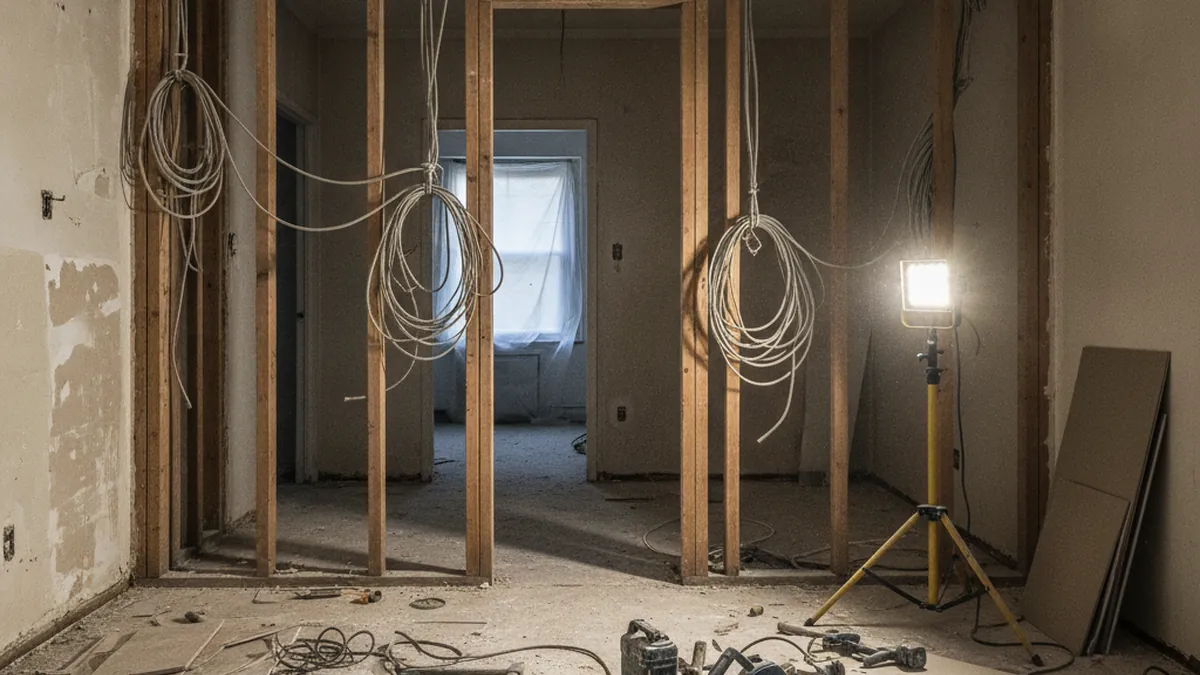
Renovating without a permit: the continuing-offence risk
A structure built without a permit isn't a one-time offence. Under Quebec municipal case law, it is a continuing offence: the prescribed fine can be imposed for each day the situation persists, and a court can order the illegal work demolished. The problem also resurfaces at sale, when the buyer's notary asks for the permits.
Sources: ACQC — continuing offence; Le Devoir — work without a permit. Fine amounts and required documents are set by each municipality.
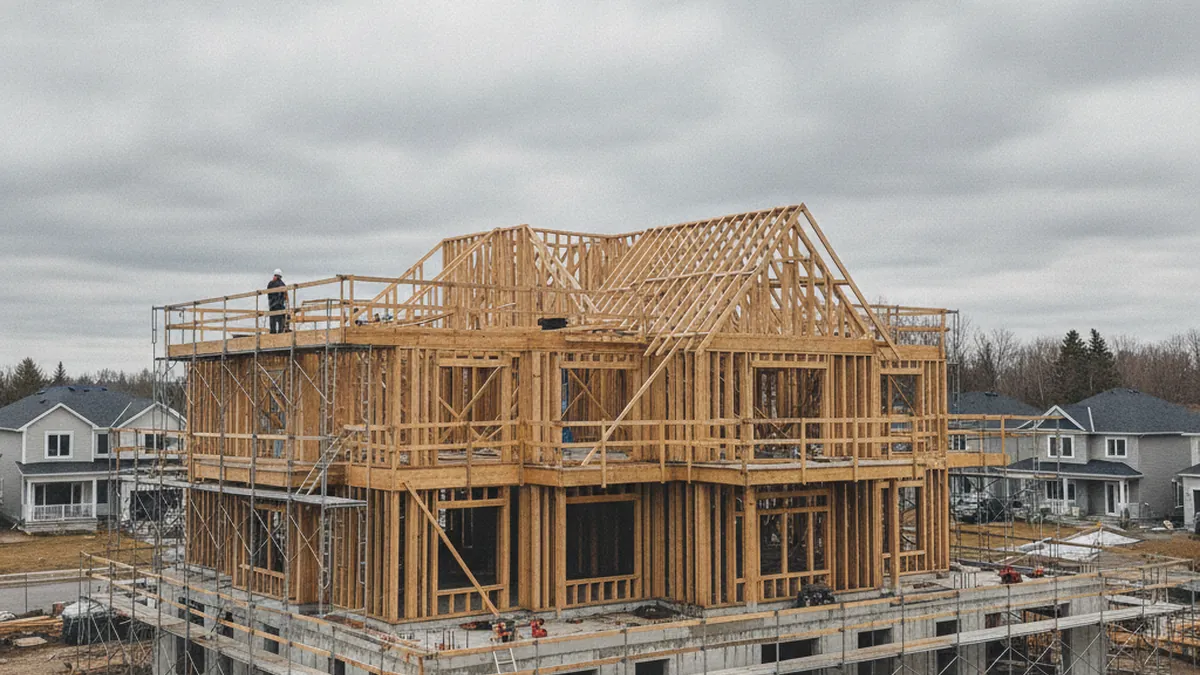
Licence bond, subcategories and RBQ financial security
Confirming that an RBQ licence is "valid" isn't enough. Two technical details decide whether you're actually protected: the subcategories on the licence, and the licence bond attached to it. They separate the contractor who is allowed to do your work from the one who merely looks the part.
Read the subcategories like an inspector
The RBQ licence breaks down into categories and subcategories. A general contractor (category 1) can coordinate a project, but certain work requires a specific subcategory or a licensed specialist: carpentry, plumbing systems, heating systems, and so on. In the Register of licence holders, compare the exact list of subcategories with the nature of your work. A contractor whose licence doesn't cover the type of work is operating outside their field — and your recourse to the bond can suffer.
The licence bond: your safety net if things go wrong
Every licence holder must provide a licence bond — a financial guarantee obtained from an insurer or institution, meant to compensate a client harmed by the contractor's failure to meet contractual obligations. According to the Régie du bâtiment du Québec, this bond is on the order of $10,000 for a specialized contractor and $20,000 for a general contractor. Note: holders of the new-residential-building subcategories covered by a guarantee plan (1.1.1 and 1.1.2) don't have to provide this bond, because the guarantee plan compensates their clients.
What the bond lets you do
- Claim compensation if the contractor fails to meet their contractual obligations.
- Have a party to turn to (the surety) even if the contractor becomes insolvent.
- Complement — not replace — your other protections: contract, holdback, legal warranties.
One development to watch: in 2026 the RBQ proposed raising bond amounts to reflect construction-cost inflation since 2016, with notably higher thresholds envisioned for general contractors. The exact amounts and their entry into force remain to be confirmed with the Régie; the existence of the bond itself remains a baseline requirement.
Sources: RBQ — licence security; Régie du bâtiment du Québec. Confirm the amounts applicable at the date of your work.
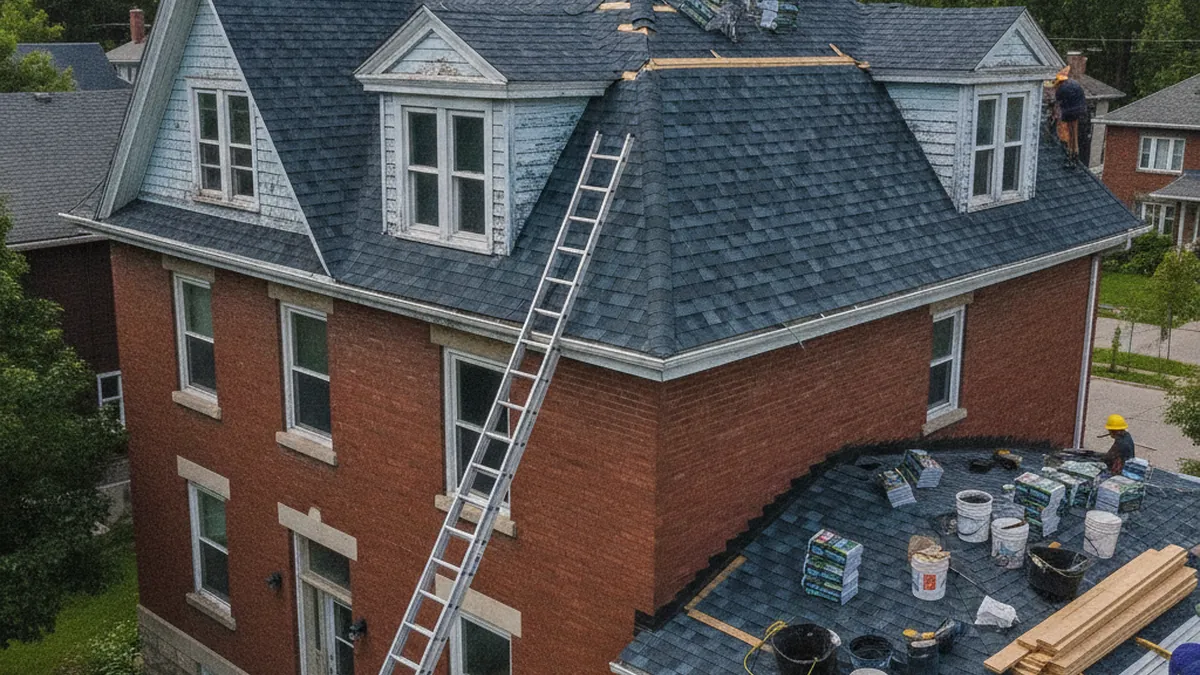
Budget, deposits and staged payments without losing leverage
The real crux of a major renovation isn't the price on the quote: it's how you pay it. A well-built payment schedule keeps the balance of power on your side to the very end. A poorly built one — a big deposit, the balance at completion — leaves you cornered by week two.
The deposit: as small as possible
The Office de la protection du consommateur recommends, where possible, not paying a deposit or keeping it to a very small amount. In practice, most contractors ask for a deposit on the order of 10 to 15% of the project value, often to order materials. A deposit well above that threshold, or a demand to pay everything up front in cash, is a red flag: the risk then shifts entirely onto your shoulders.
A schedule tied to real progress
The principle: each payment matches a verified stage of the project, not a calendar date. You pay for the next phase only once the previous one is delivered and checked. Here's a sample schedule for a $60,000 major renovation — illustrative, to adapt to your project and negotiate in the contract.
| Milestone | % of contract | Amount (e.g. $60,000) |
|---|---|---|
| Deposit at signing (materials) | 10% | $6,000 |
| Demolition and structure complete | 25% | $15,000 |
| Plumbing and electrical pass inspection | 25% | $15,000 |
| Walls closed, finishing well advanced | 25% | $15,000 |
| Acceptance of work, no deficiencies | 5% | $3,000 |
| Holdback until 45 days after completion | 10% | $6,000 |
The final holdback deserves a closer look. You can retain 10% of the total amount of the work until 45 days after completion: this window protects you against last-minute deficiencies and, above all, against unpaid subcontractors who could place a lien on your building (see the next section). Never waive this holdback to "please" the contractor.
Plan a contingency margin
On an existing building, you always open a box of surprises: damaged structure, obsolete wiring, mould behind a wall. Plan a contingency reserve of 10 to 20% of the budget, and require in the contract that any overrun be approved in writing before execution (a signed change order). On our $60,000 example, that means keeping $6,000 to $12,000 aside — not borrowing at the last minute at the worst rate.
The "cancellation" reflex to know
- A contract signed with an itinerant contractor (door-to-door solicitation) can be cancelled within a legally set window, even if work has started.
- The contractor then has a set period to refund the amounts you paid.
- This right doesn't apply to every contract: confirm your situation with the OPC.
Sources: Office de la protection du consommateur; CAA-Québec — deposits and payment terms; Éducaloi — hiring a contractor.

The legal warranties in detail: loss of the work, poor workmanship, latent defects
"It's guaranteed" is an empty phrase until you know which warranty applies, for how long, and against what. In Quebec, several legal warranties coexist, each with its own duration and scope. Knowing them changes everything when a problem appears after the work ends.
The five-year warranty against loss of the work (art. 2118 C.C.Q.)
This is the strongest protection. Article 2118 of the Civil Code of Quebec makes the contractor, architect, engineer and subcontractor jointly and severally liable for loss of the work occurring within five years after completion, whether it results from a defect in design, construction, execution or the soil. "Loss" means serious defects that compromise the solidity or use of the work — not a botched finish. If the problem appears within that period, you don't have to prove each party's specific fault to engage their liability.
The one-year warranty against poor workmanship (art. 2120 C.C.Q.)
For poor workmanship — less serious execution defects existing at acceptance — the contractor and other parties are bound, for one year, to repair them. This is the warranty that covers the poorly installed joint, the floor that buckles, or the door that won't close properly.
The warranty against latent defects
Independently of the two above, the legal warranty of quality protects against latent defects: a serious defect, not apparent at the time of the work, that makes the work unfit for its use. It's also this warranty that follows you — and the seller — when the plex is resold.
| Warranty | Duration | What it covers |
|---|---|---|
| Loss of the work (2118) | 5 years after completion | Serious defects compromising solidity or use. |
| Poor workmanship (2120) | 1 year | Execution defects existing at acceptance. |
| Latent defects | On discovery (act promptly) | Serious hidden defect making the work unfit. |
| Contractual warranty | Per the contract | What the contractor commits to cover, in writing. |
A crucial point: the time limit to sue (prescription) is generally three years from when you learn of the problem. In other words, the five-year warranty says "how long the defect is covered"; the three-year prescription says "how long you have to sue once the defect is known." Don't let a file drag.
The legal construction hypothec: the unpaid-subcontractor trap
Here's the risk many owners overlook: even if you have paid everything to your contractor, a subcontractor or supplier they didn't pay can register a legal construction hypothec on your building. This lien must be published in the land register within 30 days after completion and lapses six months after completion if the creditor takes no action. To guard against it: require releases from subcontractors before releasing the holdback, and pay attention to the notices of contract those subcontractors send you — they flag who could claim.
Before releasing the holdback
Release the final 10% only once you hold the signed releases from the notified subcontractors and suppliers, and after the 45-day window. That's your best protection against a surprise legal hypothec on your plex.
Sources: Civil Code of Quebec, art. 2118 (LégisQuébec); ACQ — legal warranties; ACQC — legal construction hypothec. For a specific situation, consult a lawyer or notary.
Special cases: rental units, CCQ, DIY work and renoviction
The general rules apply to most projects, but a plex creates specific situations a single-family owner never faces. Here are the ones that come up most often on the North Shore.
Your rental units are subject to the CCQ
Many owners believe they can do the work themselves because they "live in the building." Careful: the Act R-20 exemption applies to the principal residence you occupy, from which you earn no income. As soon as work touches rental units you don't occupy — or the common areas serving those units — it becomes subject to Act R-20 and the Commission de la construction du Québec (CCQ), even if you're the owner-occupant of one of the units. In practice, labour hired on those units may need to hold a CCQ competency certificate.
Electrical and gas: never as an amateur
Regardless of who does it, electrical and gas work is reserved for people holding the appropriate certifications, and a permit is still required when the by-law calls for it. It isn't a matter of personal skill: an uncertified connection can void an insurance claim in a fire, and will raise every inspector's eyebrow at resale.
Doing the work yourself: what's possible, what isn't
As an owner, you can perform certain work on your building without an RBQ licence. But the limits are real: the municipal permit is still required when the by-law demands it, reserved trades (electrical, gas) remain off-limits to amateurs, and on rental units the CCQ rules may apply. For anything structural or safety-related, an RBQ-licensed contractor remains the safest route — and the most defensible before an insurer or a buyer.
Renovating an occupied unit: the renoviction question
Major work that requires a tenant to leave — to substantially enlarge, subdivide or change the use of the unit — falls under a legal framework distinct from the job site itself. Repossession and eviction for work follow precise rules and compensation. Before planning a project that assumes an empty unit, gauge the real timelines and costs: see our file on the renoviction rules and moratorium for a plex on the North Shore.
Sources: CCQ — Act R-20 and scope; CAA-Québec — required licences and certificates.
Managing the project: from quote to acceptance of the work
Once the permit is granted and the contractor validated, the job isn't won: it's how you run the project that separates a renovation that adds value from one that eats your margin. Here's the playbook from the owner's side.
Compare three quotes… on the same basis
Get at least three written quotes for the same specification. The classic trap: comparing prices that don't cover the same work or the same materials. Give each contractor the same reference document, and beware the abnormally low price — it often hides extras to come, or the absence of a licence and insurance.
What a good quote must contain
- The RBQ licence number and proof of liability insurance.
- A detailed description of the work and materials, line by line.
- How unforeseen items and change orders are handled.
- The schedule and payment milestones tied to progress.
Stage inspections and a site log
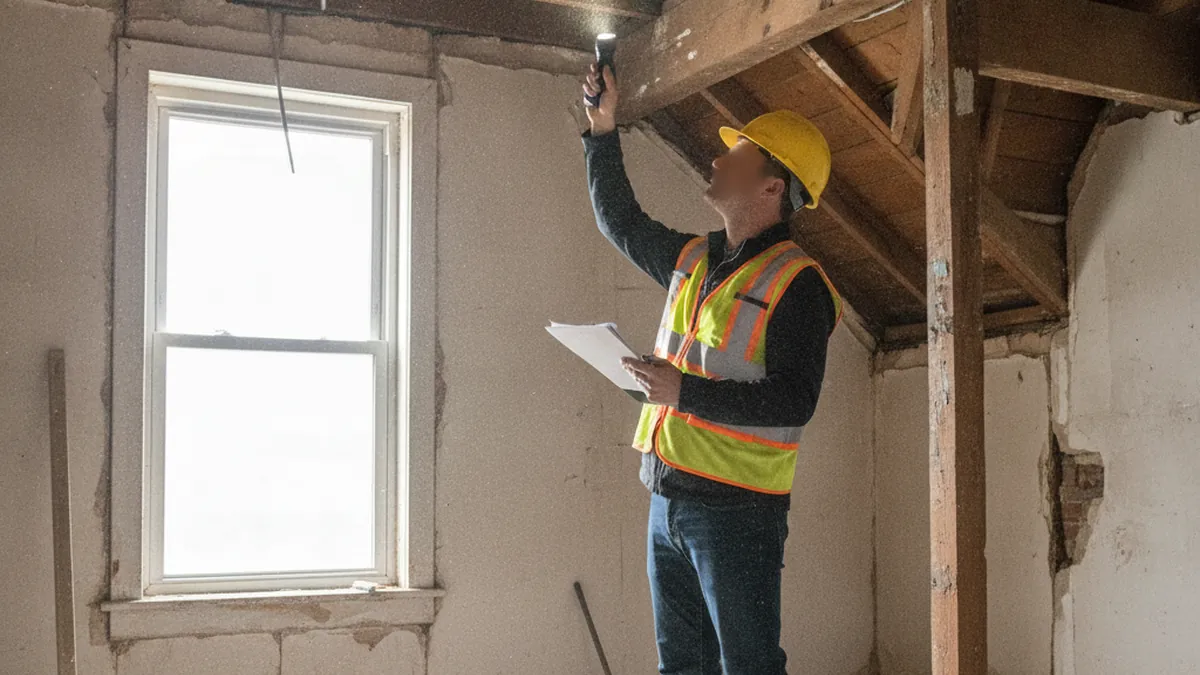
The key moments not to miss are the inspections before the walls close: plumbing and electrical must be seen (by the municipality or a professional) before they're covered up. Once a wall is closed, any defect becomes costly to fix. Keep a simple log: dated photos at each stage, validation emails, invoices. That file is worth its weight in gold in a dispute — and reassures a future buyer.
Acceptance of the work and the deficiency list
At the end, carry out a formal acceptance: walk the site with the contractor and draw up a deficiency list (the "punch list"). The acceptance payment is released only once those items are fixed, and the 10% holdback stays in place until 45 days after completion, with subcontractor releases in hand. Keep all permits, plans, written warranties and invoices in one file: it's exactly what the buyer's notary will ask for on resale day.
The resale reflex
A plex renovated with permits, compliant invoices and documented warranties sells faster and for more than a building with unprovable "DIY" work. Conversely, undeclared renovations become a point to negotiate down — when they don't block the transaction outright.
And if the scale of the project puts you off? You don't have to renovate to sell. ImmoMulti buys multi-unit properties as-is on the North Shore: you cash out without spending a dollar on work, with no permit to obtain and no contractor to supervise.