ImmoMulti — a direct buyer of multi-unit properties on the North Shore — sees plenty of plexes heated with oil or electric baseboards. Converting a plex's heating to a heat pump is one of the most consequential renovation decisions an owner can make: it touches installation costs, available financial assistance, the question of who pays for the electricity (you or your tenants) and, ultimately, your building's value and rentability. This guide breaks down the actual decision, with figures and official sources, so you know whether it's worth it.
Why convert your plex's heating to a heat pump?
Converting a plex to a heat pump targets three goals: cutting heating costs (especially when replacing oil), adding the air conditioning tenants want, and improving the building's energy efficiency. An air-source heat pump has a coefficient of performance above 1: it moves more thermal energy than the electricity it consumes.
In Quebec, Hydro-Québec's residential electricity rate is among the lowest in North America, which makes electrifying heating especially attractive. A heat pump captures heat from outside air and transfers it indoors; because it moves energy rather than producing it through resistance, it delivers more heat per kilowatt-hour than conventional baseboards. That is the heart of the economic case for conversion.
For a plex owner on the North Shore — Terrebonne, Mascouche, Blainville, Boisbriand, Saint-Eustache — three motivations combine: getting out of an aging, costly oil system, offering air conditioning in summer (an increasingly decisive rental argument), and positioning the building as a more efficient asset that is easier to rent.

The three gains the conversion targets
- Energy cost: better output per kWh, especially against oil.
- Rentability: heating in winter and cooling in summer in one appliance.
- Building efficiency: a less energy-hungry building, better positioned at resale.
How much does it cost to convert a plex to a heat pump?
For one unit, a wall-mounted (mini-split) heat pump usually costs $4,000 to $8,000 installed; a central air-source unit more. For a triplex equipped unit by unit, budget often runs $12,000 to $30,000 before grants. Removing an oil tank and upgrading the electrical panel can add to that.
The cost varies with the appliance type, the number of units and the state of the existing electrical service. Here are common orders of magnitude in Quebec — to be confirmed with quotes from qualified contractors, ideally members of CETAF (the trade group for air and refrigeration treatment companies):
| Item | Order of magnitude (per unit) | Note |
|---|---|---|
| Wall-mounted heat pump (mini-split) | $4,000 – $8,000 | Most common solution in a plex |
| Central air-source heat pump | Higher | If ductwork exists |
| Removing oil tank / system | Variable | Eliminates spill risk |
| Electrical panel upgrade | Variable | Depends on existing capacity |
For a triplex, multiply the per-unit cost by whether you equip one, two or three units. Many owners stagger conversions as tenants move out, which smooths the investment. Before pricing the project, estimate its overall return with our renovation calculator.
What financial assistance exists for a heat pump in a plex in Quebec?
Two main programs: Hydro-Québec's LogisVert offers assistance for installing high-performance heat pumps, including in rental buildings; Rénoclimat (Transition énergétique Québec) supports energy-efficient renovations with an evaluation and grants. Rates change: always confirm current amounts on the official sites.
Grants can knock a meaningful share off the bill, which directly changes the profitability calculation. The two levers to know:
- LogisVert (Hydro-Québec) — an energy-efficiency assistance program that notably supports installing high-performance heat pumps; some components target rental buildings. Details and amounts on Hydro-Québec — LogisVert.
- Rénoclimat (Government of Quebec) — a Transition énergétique Québec program that funds an energy evaluation and grants for energy-efficient work, including heating systems. See Québec.ca — Rénoclimat.
For the full picture of programs that apply to your building, see our dedicated guide: energy grants for your North Shore plex. Important: amounts, eligibility conditions and eligible appliances change regularly — base your decision on the official rates in effect at the time of the work.
Sources: Hydro-Québec — LogisVert and Government of Quebec — Rénoclimat.
In a plex, who pays for the heat pump's electricity?
The conversion's profitability depends first on who pays for heating. If each unit has its own Hydro-Québec meter and the lease puts heating on the tenant, the tenant pays the heat pump's electricity — you pay for the installation but offer a more attractive unit. If heating is included in the rent or on your meter, you capture the energy savings.
This is the single most decisive question, and too often overlooked. The return on investment isn't the same depending on how your building is set up:
| Situation | Who pays the electricity | Who benefits from the savings |
|---|---|---|
| Separate meters, heating on the tenant | Tenant | Tenant (lower bill) + owner (rentability) |
| Heating included in the rent | Owner | Owner (direct savings on expenses) |
| Common areas / owner's meter | Owner | Owner |
The classic trap
An owner whose tenants already pay for their own heating invests in heat pumps hoping to "cut expenses" — but the energy savings go into the tenant's pocket, not the owner's. The real benefit is elsewhere: better retention, lower vacancy and a unit that's easier to rent thanks to air conditioning. Identify WHO benefits before pricing the ROI.
Impact on value, expenses and return on investment
A heat pump can support a plex's value mostly indirectly: a more efficient, air-conditioned building attracts better tenants and, if the owner pays for heating, reduces expenses and raises net income — and therefore economic value. The conversion does not guarantee a price increase equal to its cost; it's an investment in positioning and efficiency.
The value of an income property is calculated from its net operating income and the capitalization rate (cap rate). If you pay for heating, lowering that expense directly raises net income — and therefore the building's value. If tenants pay, the effect on value flows through demand: an air-conditioned unit rents better, faster, and retains tenants. To understand the mechanics of net income, GRM and cap rate, read our guide to calculating a multiplex's yield.

The return on investment depends on the starting point:
- From oil to a heat pump: generally faster ROI, because the cost of oil often far exceeds the electricity equivalent in Quebec, while also eliminating tank maintenance and spill risk.
- From electric baseboards to a heat pump: real savings thanks to better output per kWh, but more modest in dollars, so a longer payback. The added air conditioning and rentability then weigh more heavily in the decision.
On rent, adding a service such as air conditioning and major improvements can factor into the rent-increase calculation under the Tribunal administratif du logement method. Before undertaking work in an occupied unit, check the notice-of-work rules with the Tribunal administratif du logement.
Source: Tribunal administratif du logement (major work, notices and rent setting).
Oil, baseboards or dual-energy: your starting point changes everything
Before talking appliances or grants, identify your plex's current system. Converting oil heating gives the best return on investment and frees the building from a risky tank; replacing electric baseboards mainly cuts consumption thanks to a coefficient of performance of 3 to 4 in shoulder seasons; leaving a dual-energy setup means reading your Hydro-Québec rate agreement carefully. The starting point drives the savings, grant eligibility and scope of work.
On the North Shore, plexes built between the 1960s and 1990s are usually heated in one of three ways: an old central oil system (furnace or hot-water boiler), electric baseboards unit by unit, or a dual-energy electricity-oil combination. Each situation produces a radically different profitability calculation — which is why copying a neighbour's "average ROI" is a mistake.
Starting from oil: the most profitable scenario
Oil is today the most expensive heating energy in Quebec. The price per litre has risen sharply and sits around $1.55/L under 2026 cost assumptions, while the litre remains subject to the swings of the oil market, unlike the electricity rate frozen by law. Switching from oil to a heat pump therefore combines three simultaneous gains: a lower energy cost, the end of annual burner maintenance and tank spill risk, and access to the provincial Chauffez vert program that subsidizes removing oil systems. It is the starting point with the shortest payback.
Sources: Régie de l'énergie du Québec — weekly heating-oil price report; Québec.ca — Chauffez vert program.
Starting from electric baseboards: real but modest savings
If your plex already heats with electric baseboards, you aren't changing energy: you're improving output. A modern air-source heat pump has a coefficient of performance (COP) of 3 to 4 around 0 °C — it delivers 3 to 4 times more heat than the electricity it consumes — while a baseboard stays at an output of 1 (100%). In practice, for the same heat, the heat pump uses far fewer kilowatt-hours through fall, mild winter and spring. But the dollar savings stay more modest than starting from oil, because the starting cost (electricity) is already low. The decisive argument then becomes the built-in air conditioning and rentability.
Source: Hydro-Québec — the heat pump in every season.
Starting from dual-energy: read your rate agreement
Some plexes run on dual-energy: electricity in normal times, a fossil fuel (oil or gas) during extreme cold, with a special Hydro-Québec rate. Before converting everything, check your contract terms, because a heat pump changes your consumption profile and can interact with the rate conditions. In many cases, a cold-climate heat pump paired with electric backup heating advantageously replaces the fossil portion — but the decision deserves a case-by-case analysis.
How to recognize your current system
- Oil: a tank (often in the basement or outdoors), a forced-air furnace or boiler, a distinctive smell, periodic deliveries.
- Electric baseboards: long low radiators along the walls, a thermostat per room, no fuel bill.
- Dual-energy: two paired sources and a special Hydro-Québec rate (DT) noted on your bills.
- Radiant floor / natural gas: less common in North Shore plexes, but it changes the calculation; have it assessed by a specialist.
Three costed scenarios: how much does a plex really save?
The calculation depends on three variables: the unit price of each energy (oil ≈ $1.55/L, electricity on Hydro-Québec's Rate D ≈ 6.76 ¢/kWh for the first block in 2026), output (the heat pump's COP vs the system it replaces) and, above all, who pays the bill. The examples below are illustrative — always validate with your own consumption records.
To make the decision concrete, take a North Shore triplex and walk through three typical configurations. The amounts illustrate the mechanics of the calculation, not a prediction of your exact bill: that depends on insulation, floor area, occupant habits and the winter. The method, however, is always the same.

The four-step calculation method
- Estimate current consumption per unit (litres of oil delivered or kWh billed over a full year).
- Convert to an annual cost using the unit price of the starting energy.
- Estimate future consumption with the heat pump, accounting for the seasonal average COP and the backup heating in extreme cold.
- Take the difference, then divide the net installation cost (after grants) by the annual saving to get the number of years to payback.
| Scenario (per unit) | Energy cost before | Energy cost after heat pump | Who pockets the difference |
|---|---|---|---|
| Oil, heating included in rent | High (oil ≈ $1.55/L) | Markedly lower | Owner (direct saving) |
| Baseboards, tenant's meter | Moderate (electricity) | Lower (COP 3-4 in shoulder season) | Tenant (bill) + owner (rentability) |
| Baseboards, heating included in rent | Moderate (electricity) | Lower | Owner |
Scenario A — oil triplex, heating included in the rent
This is the most favourable case for the owner. You pay for the fuel, so every litre of oil saved falls straight into your net operating income. Getting out of oil is often estimated to bring a 30% to 50% drop in the heating bill after converting to efficient electricity, on top of ending deliveries, burner maintenance and tank-related insurance. Because this expense comes out of your pocket, the annual saving directly feeds the building's economic value (see the cap-rate section). It's the scenario with the shortest payback, often accelerated by the Chauffez vert and LogisVert grants.
Order of magnitude for oil→electricity savings: see the heating-oil price report (Régie de l'énergie) and the Hydro-Québec 2026 rate schedule.
Scenario B — baseboard triplex, separate meters on the tenant
Here's the classic trap: you pay to install the heat pumps, but the electricity consumed is billed to each tenant on their own meter. The kilowatt-hour savings therefore go into the tenant's pocket, not yours. Your return, as the owner, isn't measured in energy dollars saved but in rentability: an air-conditioned, modern unit that's cheaper to heat rents faster, retains its occupants and reduces vacancy. In a tight market like the North Shore, a single avoided vacancy can be worth more than a full year of theoretical energy savings.
Scenario C — baseboard triplex, heating included in the rent
An in-between case: you heat with electricity and you pay the bill. The heat pump then lowers your consumption thanks to the COP, but because the starting point (electricity) is already cheap, the dollar savings take longer to repay the investment than in the oil scenario. The calculation tips the right way mainly if you add the value of air conditioning, fewer summer comfort complaints and better retention. Many owners use a tenant's departure to convert that unit, then pass on part of the work at re-rental.
Backup heating is part of the calculation
No air-source heat pump heats on its own at −25 °C: its COP falls toward 1 around −20 °C and the system switches to electric backup heating. Your savings therefore materialize mainly in fall, mild winter and spring — not during the few days of extreme cold. An honest calculation factors in this reality, otherwise you overestimate the output.
Source (cold-weather performance): Écohabitation — heat pump adapted to Quebec's climate.
2026 grants in detail: LogisVert, rental component, Rénoclimat, Chauffez vert
In 2026, four levers can lower the bill: Hydro-Québec's LogisVert (up to about $6,700 per unit for a heat pump, with bonus financing for buildings of 2 to 6 units), a new component aimed at rental-building owners covering roughly 55% of equipment and installation costs in certain areas, Rénoclimat for the evaluation and grants, and Chauffez vert for removing oil. Rates change often — always confirm on the official sites.
Well-stacked assistance can turn a barely profitable project into a clear win. Here's how the programs combine in 2026 for a North Shore plex.
LogisVert (Hydro-Québec)
LogisVert is Hydro-Québec's flagship energy-efficiency program. For installing a high-performance heat pump, assistance can reach on the order of $6,700 per unit depending on the appliance type and its efficiency. Rental buildings of 2 to 6 units are eligible, generally at one grant per unit, and Hydro-Québec has enhanced its financing for multi-unit dwellings to make heat pumps more accessible to owners. The appliance must be on the list of eligible models and installed by a recognized installer.
Sources: Hydro-Québec — LogisVert (residential) and bonus financing for multi-unit dwellings.
The new component for rental-building owners
In 2026, the Government of Quebec and Hydro-Québec announced assistance aimed specifically at rental-building owners: it would cover about 55% of the equipment and installation cost of heat pumps installed in the units. According to La Presse, roughly 120,000 tenants living in buildings built in 1995 or earlier could benefit, with about a 20% reduction in their heating costs. The program comes with conditions, however: the owner must notably show that the building is located in an area of energy precarity and meet other criteria. Check your eligibility before building your budget on this component.
Source: La Presse — "Des thermopompes pour les locataires aussi" (May 20, 2026).
Rénoclimat (Government of Quebec)
Rénoclimat, run by Transition énergétique Québec, funds an energy evaluation before and after the work and provides access to grants for a range of energy-efficient renovations, including heating systems. The evaluation produces a report useful well beyond the grant: it documents the building's energy state, an asset at resale. Amounts depend on the work done and the measured gains.
Source: Québec.ca — Rénoclimat.
Chauffez vert: to get out of oil
If your plex heats with oil (or propane), the Chauffez vert program subsidizes replacing the fossil system with one that uses renewable energy such as electricity. Combined with LogisVert, it makes removing the tank and furnace far more affordable, on top of eliminating the recurring costs specific to oil.
Source: Québec.ca — Chauffez vert.
The golden rule of grants
- Apply BEFORE the work when the program requires it: an already-paid invoice can make you ineligible.
- Keep everything: quotes, detailed invoices, model numbers, proof of compliance.
- Confirm the rates the day you sign: 2026 amounts and criteria may differ by the time of your work.
- Stack wisely: some grants combine, others don't; validate the exact combination with each program.
For a full overview of the programs that apply to your building, see our dedicated guide: energy grants for your North Shore plex.
Choosing and sizing the right appliance for a plex
Three main families are available: the wall-mounted heat pump (mini-split), the central air-source unit (if ductwork exists) and the multi-zone (one outdoor unit, several indoor heads). For a plex, the wall-mounted unit per apartment is the most common and the simplest to bill to the right occupant. The appliance must be designed for cold climates (functional down to −25 or −30 °C) and properly sized: too small, it struggles; too big, it cycles poorly and costs more.
The right appliance choice depends on the building's electrical setup, whether ductwork exists, and how you want to split consumption between units. Here are the options.
| Type | Best for | Advantages | Limits |
|---|---|---|---|
| Wall-mounted mono-split (mini-split) | One unit at a time, separate meters | Simple install, consumption billed to the right meter, controlled cost | Mainly covers the open area; closed bedrooms less well served |
| Central air-source | Unit with existing ductwork (former furnace) | Evenly distributed heat, discreet | Requires ducts; higher cost |
| Multi-zone (multi-split) | Large unit or several rooms to cool | A single outdoor unit, several heads | Splitting consumption between occupants is trickier |
Why wall-mounted units dominate in a plex
In a building with separate meters, the wall-mounted mono-split has a decisive administrative advantage: wired to the apartment's panel, its consumption is billed to the right occupant. You thus avoid blurring the cost allocation and ending up, despite yourself, paying everyone's heating. It's also the easiest format to install as tenants move out, unit by unit.
Demand a "cold-climate" model
Not all heat pumps perform equally in winter. Models designed for extreme cold keep producing useful heat down to about −25 °C, even −30 °C for some high-end appliances, whereas an entry-level model gives out well before that. On the North Shore, where nights below −20 °C aren't rare, this criterion isn't a luxury: it determines your real comfort and how much you rely on backup heat. Ask for the low-temperature performance sheets (capacity and COP at −15 °C and −25 °C), not just the nominal output.
Source: Réfrigération Jolicoeur — how a heat pump works at negative temperatures.
Sizing: neither too small nor too big
An undersized appliance runs flat out without ever keeping up in cold weather; an oversized one starts and stops constantly (short-cycling), wears out prematurely and costs more to buy and to run. Proper sizing accounts for the heated area, insulation, orientation and windows. A serious installer performs a heat-load calculation rather than selling you "the biggest one to be safe." Insist on that assessment in writing.
Questions to ask the installer before signing
- Is the appliance LogisVert-eligible and on the list of recognized models?
- What is its heating capacity at −25 °C, not just under nominal conditions?
- Is the sizing based on a heat-load calculation, with a supporting document?
- Which electrical panel will the unit be wired to, and which apartment will be billed?
- What is the warranty (parts, compressor, labour) and who honours it?
Installing without missteps: permits, RBQ, electrical panel, steps
A successful conversion follows a precise order: audit the system and electrical panel, get quotes from RBQ-licensed contractors (ideally CETAF members), apply for grants before the work, verify municipal permits, install, then commission and register the warranties. The electrical panel upgrade is the most often underestimated item in a plex.
Many budget overruns come from skipped steps: a panel found to be too weak mid-project, a forgotten municipal permit, or a lost grant for failing to apply in time. Here's a sequence that protects your budget and your timeline.
Step 1 — Starting audit
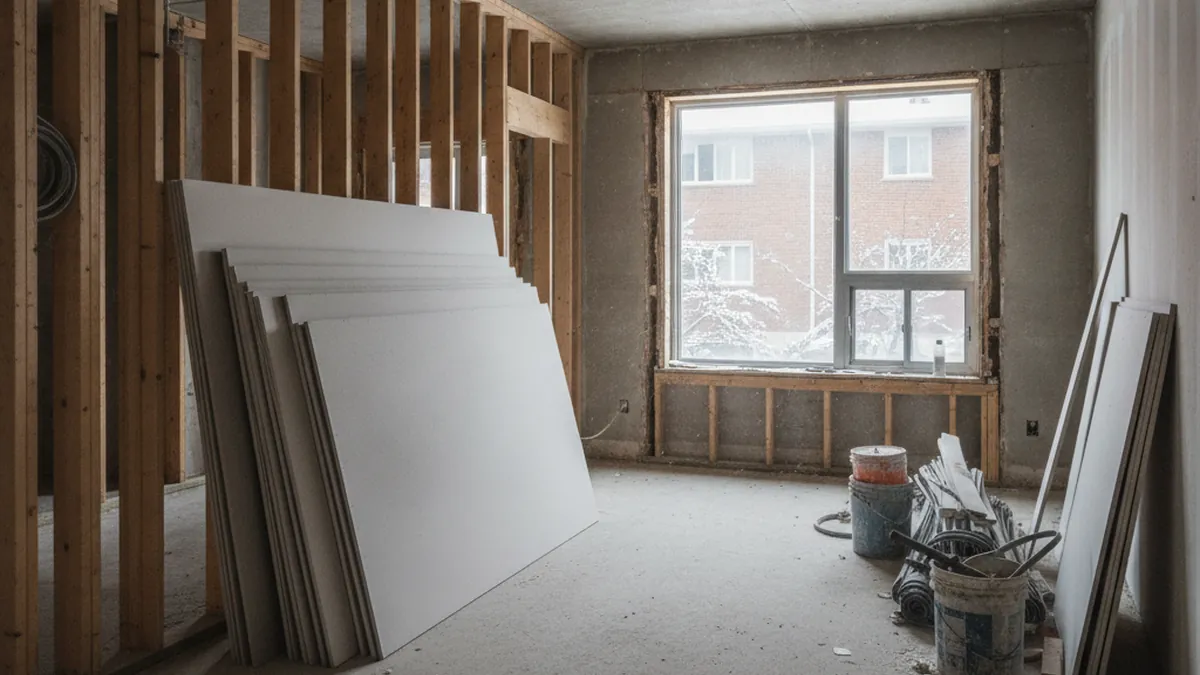
Have the state of the current system assessed, along with the electrical panel capacity of each unit and the building's service entrance. In older plexes, a 100 A panel may lack headroom once the heat pump and backup heating are added. This audit shapes the rest of the budget.
Step 2 — Quotes from qualified contractors
Get at least two or three detailed quotes from contractors holding a licence from the Régie du bâtiment du Québec (RBQ), ideally CETAF members. Compare not just price, but the proposed appliance, its cold-weather performance, the sizing, the warranty and how the electrical panel is handled. A quote that's vague on the electrical side often hides a cost to come.
Source: Régie du bâtiment du Québec — contractor licences.
Step 3 — Grant applications BEFORE the work
Submit your LogisVert, Rénoclimat, Chauffez vert and, where applicable, rental-component applications in the order each program requires. Some grants require registration before the work begins or a prior evaluation: paying first and applying later can cost you the grant.
Step 4 — Municipal permits
On the North Shore, several municipalities (Terrebonne, Mascouche, Blainville, Boisbriand, Saint-Eustache, Repentigny) require a permit for installing an outdoor mechanical unit, replacing a heating system or electrical work, and sometimes regulate the outdoor unit's location and noise. Check with your town's planning department before fixing the unit to the wall or ground.
Step 5 — Installation and the electrical side
Electrical work (a new circuit, a possible panel or service upgrade) must be done by a licensed electrician. This is often where the gap opens between an advertised "small conversion" and the final bill: budget a margin for the electrical upgrade.
Step 6 — Commissioning, warranties and proof
At the end, have the commissioning recorded, register the warranties (compressor, parts, labour) and file all detailed invoices. These documents serve grant claims, a future TAL rent-setting file, and resale: a buyer (or ImmoMulti) pays more for a building whose work is documented.
The number-one hidden item: the electrical panel
Adding a heat pump and backup heating to an already-loaded panel can force a panel upgrade, or even a service-entrance upgrade. In a plex with several meters, the operation sometimes repeats unit by unit. Have the electrical capacity assessed before accepting a "turnkey" quote that doesn't mention it.
Tenant in place: notice of work, the TAL, rent and comfort
Converting the heating of an occupied unit is governed by the Civil Code and the Tribunal administratif du logement (TAL). The owner must give proper notice of work (with a deadline and, where applicable, a temporary-relocation period), respect the tenant's rights, and document everything. Adding a service such as air conditioning can factor into rent setting, but the adjustment is regulated and must be justified with supporting records.
From an owner-seller's standpoint, handling the tenant side well isn't just a compliance matter: a clean file protects the building's value and avoids disputes that scare off a buyer.

The notice of work
Work that modifies the heating system of an occupied unit can constitute major work subject to the TAL's notice-of-work rules. Depending on its nature, the owner must give the tenant a notice stating the nature of the work, its start date, its duration and, where applicable, the temporary-relocation period required. Notice periods and terms vary depending on whether relocation is needed. Confirm the exact deadlines and mandatory content of the notice with the Tribunal administratif du logement before starting the job.
Source: Tribunal administratif du logement — work and repairs.
Can the tenant refuse?
A tenant cannot oppose necessary work, but retains rights: abusive conditions or an unjustified temporary relocation can be contested before the TAL, which may set conditions (terms, compensation). Scrupulously following the notice procedure is therefore in your interest: it reduces the risk of contestation and delay.
Rent increase and adding a service
Installing a heat pump adds a service (air conditioning) and can amount to a major improvement. These elements can factor into the rent-variation calculation under the TAL method, in addition to changes in the building's expenses. Careful, though: the adjustment is neither automatic nor equal to the cost of the work; it is regulated, calculated by a precise method and must be documented. To understand the 2026 mechanics, read our guide to the new TAL rent-calculation method.
Best practices on the tenant side
- Communicate early: presenting the heat pump as a gain (comfort, air conditioning) eases acceptance.
- Give proper written notice and keep proof of delivery.
- Plan the timing: converting when a tenant moves out avoids many constraints.
- Document everything: quotes, invoices, notices, correspondence — useful for rent and resale.
- Consult if needed a legal advisor or the TAL for special cases.
Comfort as a retention argument
Done well, the conversion sells itself to tenants: a unit that's cooler in summer and better heated in winter reduces complaints, improves retention and lowers vacancy. On the North Shore, where finding a good tenant takes time, that stability is often worth more, year after year, than an immediate rent increase.
Maintenance, lifespan and recurring costs in a plex
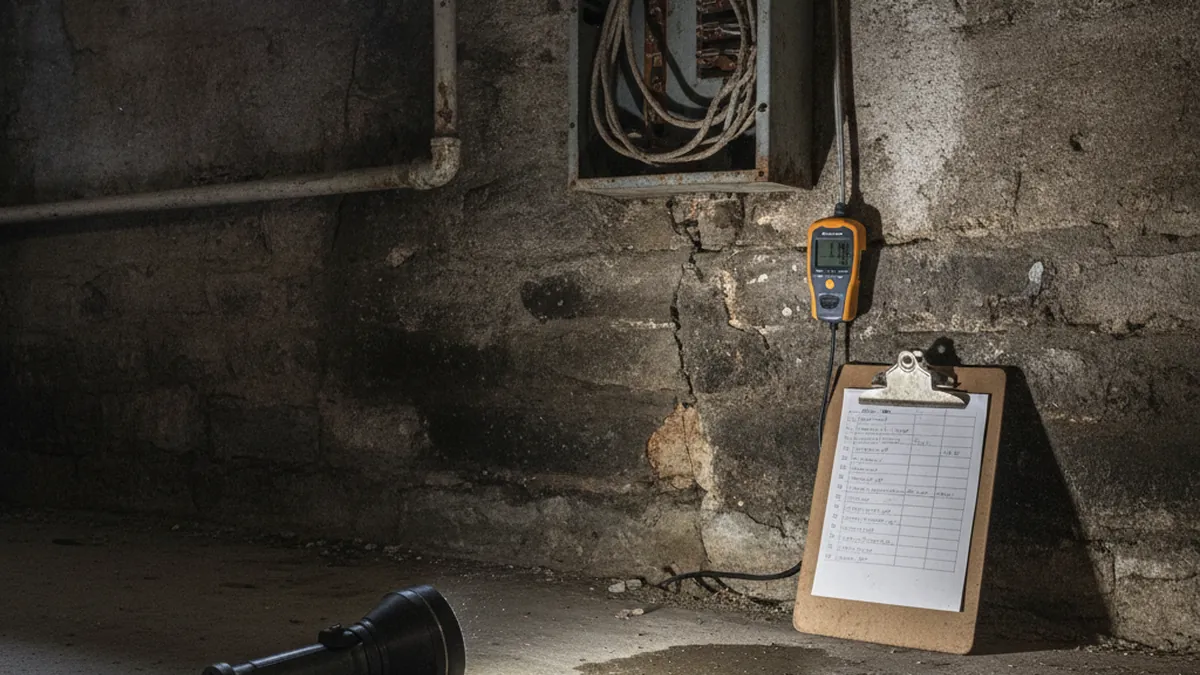
A well-maintained air-source heat pump generally lasts 12 to 18 years. Recurring costs are modest: cleaning the filters, annual servicing by a technician, clearing the outdoor unit in winter. In a plex, multiply by the number of units and fold these costs into your operating expenses — but they stay below the cost of maintaining an oil system.
A well-maintained asset resells better. Here's what the heat pump involves once installed, from the standpoint of an owner thinking about both operation and resale value.
| Recurring item | Frequency | Who handles it |
|---|---|---|
| Filter cleaning | Monthly in season | Tenant or owner (specify in the lease) |
| Technician servicing | Annual | Owner (service contract) |
| Clearing snow/ice around the unit | As needed in winter | Owner or occupant |
| Appliance replacement | ~12 to 18 years | Owner (capital) |
Lighter maintenance than oil
Compared with an oil system — a burner to tune, a tank to monitor, chimney sweeping, specific insurance — a heat pump requires simpler maintenance. Its disappearance from the "oil" line of your operating budget is a recurring gain that, unlike saved energy, always benefits the owner, even when tenants pay for their electricity.
Spell out responsibilities in the lease
To avoid disputes, clearly state in the lease who cleans the filters and who calls the technician. A clogged filter cuts output and can be wrongly perceived as an appliance defect. A simple clause avoids many misunderstandings and protects your warranty.
Plan for replacement in your figures
A heat pump isn't eternal. By folding its lifespan (12 to 18 years) into your capital planning, you avoid the nasty surprise and present a "clean" building at resale. Our renovation calculator helps spread that cost over time.
Convert now or sell as-is: how to decide
The right decision depends on your horizon. If you keep the building for several years and you pay for heating, converting early maximizes cumulative savings and value. If you plan to sell soon, a costly conversion isn't always recovered in the price; it may be more profitable to sell as-is to a buyer who will do the work — ImmoMulti buys exactly these plexes to convert, with no commission or delay.
The conversion is an investment, not an obligation. The right call comes from comparing two costed scenarios.
Keep and convert
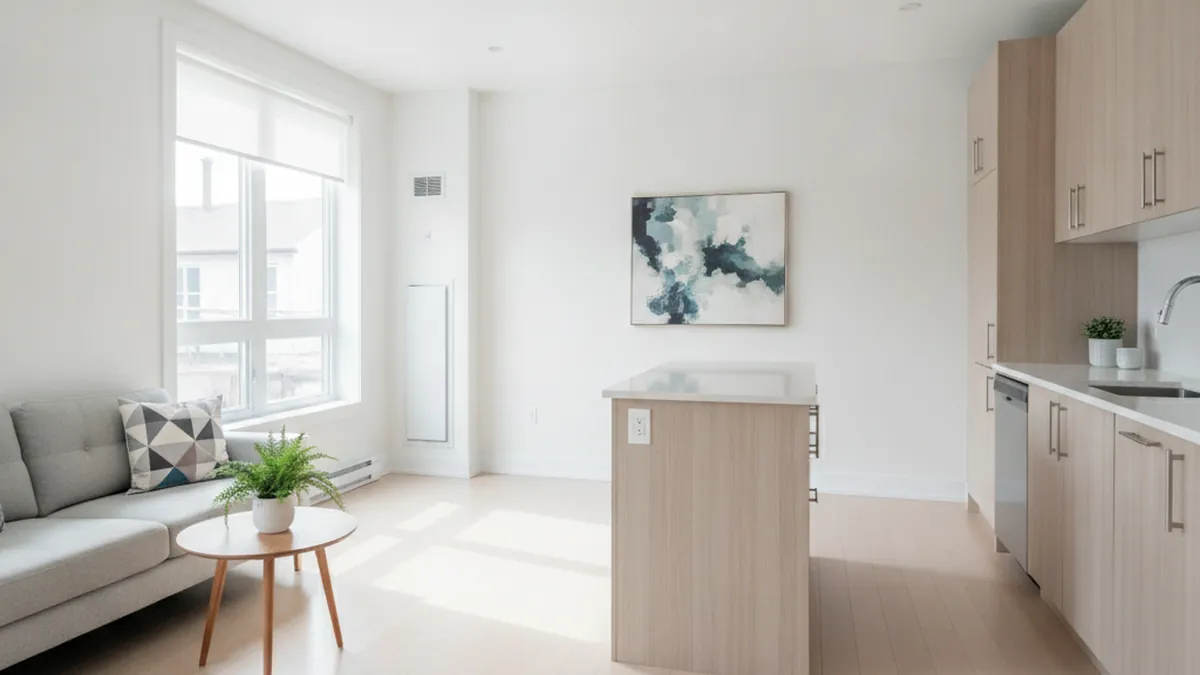
If you keep the plex, converting early in your holding period compounds the savings (especially if you pay for heating), improves rentability and positions the building as an efficient asset. With the 2026 grants, the net investment can be reasonable and the payback acceptable — particularly starting from oil.
Sell as-is
If your horizon is short, injecting thousands of dollars in heat pumps just before selling doesn't guarantee a higher price by an equivalent amount: an income property's value mainly follows its net income and the cap rate, not the sum of recent renovations. In that case, selling as-is to a buyer who will take on the work is often more rational. ImmoMulti, a direct buyer of multi-unit properties on the North Shore, specializes in plexes to reposition and sends you an offer with no broker or commission.
Common mistakes to avoid
The heating conversion pays off when it is well planned. The most common pitfalls among plex owners:
- Ignoring who pays the electricity: this is the No. 1 ROI factor. Never price the project without clarifying it.
- Removing all backup heat: in extreme cold, an air-source heat pump's output drops. Keeping a backup source (baseboards, furnace) protects comfort and unit compliance.
- Underestimating the electrical upgrade: an insufficient panel can turn a "small" conversion into a heavier job.
- Not checking current grants: LogisVert and Rénoclimat rates change; a project costed on old amounts may disappoint.
- Forgetting the notice of work to a tenant in place: major work in an occupied unit is governed by the TAL.
- Choosing an unqualified installer: favour CETAF-member contractors for warranty and performance.
ImmoMulti: direct buyer of multi-unit properties on the North Shore
Torn between converting the heating and selling your plex as-is? We can send you a direct offer, with no commission and in full confidence, and help you compare both scenarios. Get a proposal within 48 hours.


