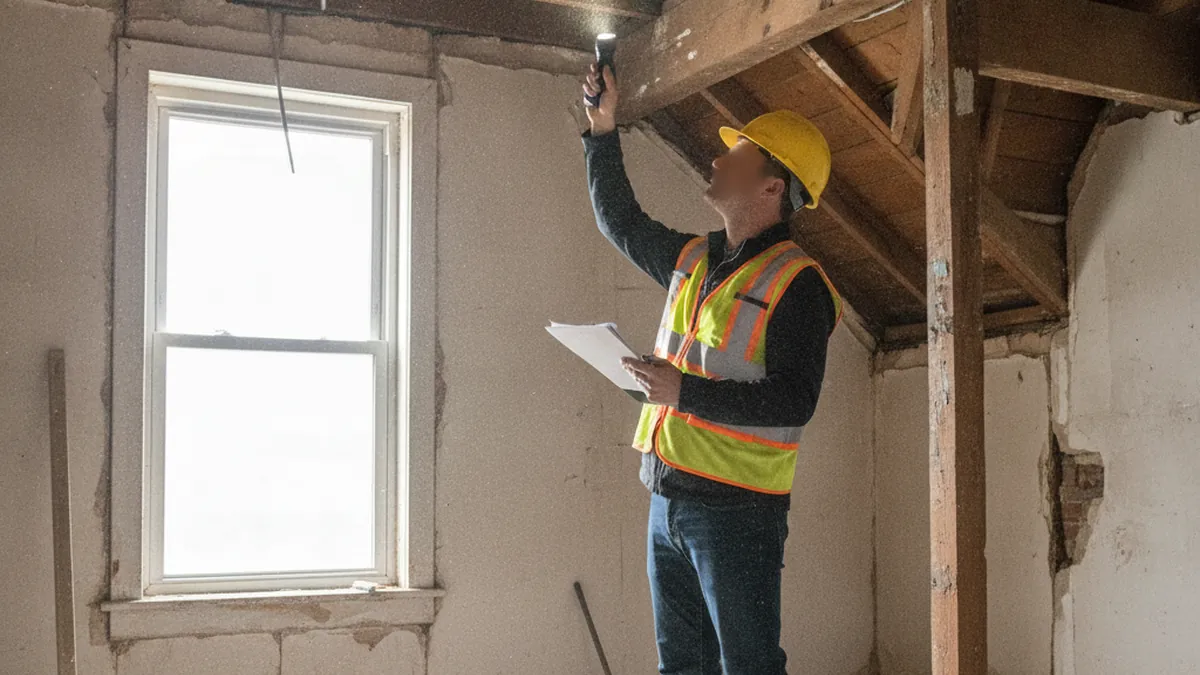
Since April 1, 2026, every Quebec municipality must have adopted a bylaw governing building maintenance. In Montreal, fines have increased and vacant buildings must now be registered. On paper, all of this pursues a noble goal: habitable housing. But in practice, the small North Shore plex owner feels the regulatory net tightening around their neck — while their revenues remain capped.
Since April 1, 2026, every Quebec municipality must have a building maintenance bylaw. Montreal fines now reach $40,000 per building (up to $250,000 for heritage properties) and vacant buildings must be registered. Failing to act on required repairs can result in a deterioration notice registered on the title, which reduces property value and blocks bank financing. ImmoMulti's position: the obligations are legitimate but tightening maintenance rules without loosening regulated rents pushes responsible small owners toward the exit.
Opinion column by the ImmoMulti Team. Facts are sourced; opinions are our own.
🔥 Our take
Here is our thesis, plainly stated: the tightening of habitability and maintenance regulations starts from a just intention, but hits the wrong target. Legislators and municipalities design these regimes with abandoned buildings left by speculators and funds in mind. Yet Quebec's plex stock is owned over 90% by individuals — often owner-occupants who live in their own building. A hammer is built for a few bad actors, and the small North Shore duplex or triplex owner is the one who gets hit with it.
The underlying problem: obligations and fines are tightened on one side, without touching the revenue cap on the other. The owner is ordered to maintain an aging building to an ever-higher standard, with regulated rents that follow neither inflation nor the cost of the work. This equation does not hold — and it pushes exactly the good owners toward the exit. This is the same mechanism we describe in our column on housing policy strangling the small owner.
Why 2026 marks a real regulatory turning point
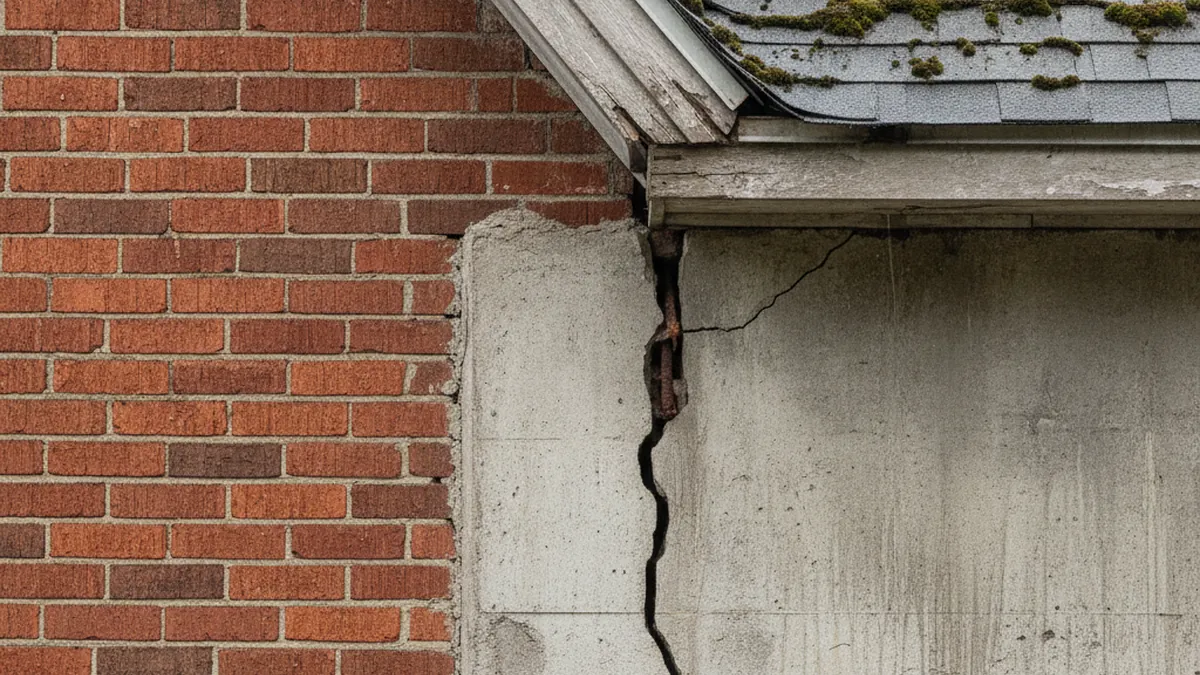
This is not just a perception: the framework has concretely tightened this year. The ministry reminded municipalities, in a Muni-Express dated February 24, 2026, that every local municipality must, since April 1, 2026, have adopted a building maintenance bylaw. This obligation stems from the Act amending the Cultural Heritage Act and other legislative provisions. The bylaw must include standards to prevent deterioration and allows corrective work to be required, notices to be sent, and if necessary work to be carried out at the owner's expense.
In Montreal, the shift is even sharper: since January 1, 2026, owners of vacant buildings must register them with the city, general maintenance standards have been strengthened and fines have increased. Owners must keep the exterior envelope (roof, walls, foundations), structure, plumbing and heating in good condition. No one disputes that a building should be safe. But the sanctions arsenal makes no distinction between the negligent owner and the one who cannot finance a $50,000 roof.
Fines calibrated for funds, paid by the small owner
Let's look at the numbers. In Montreal, the sanctions regime is severe — and uniformly so, regardless of who owns the building.
| Regime | Fine — individual | Fine — corporation |
|---|---|---|
| Habitability, maintenance and safety of dwellings | $250 to $6,000 | $500 to $10,000 |
| Building occupation and maintenance (bylaw 23-016) — ordinary building | $1,000 to $40,000 | |
| Heritage building | up to $250,000 | |
These amounts make sense against a fund that lets an 80-unit building deteriorate to force tenants out. But applied to an owner-occupant triplex owner who is six months behind on a repair because their bank hesitates to finance? The same grid becomes disproportionate. And the worst remains the deterioration notice: the city can register it on the property, which can drive down its value and compromise access to bank financing, as the Quebec government's urban planning guide confirms.
The perverse effect
An owner who cannot finance work risks a fine, then a deterioration notice that reduces the property's value and closes the door to credit — making it even harder to finance the work. The bylaw meant to force maintenance can, for a small owner, accelerate the downward spiral toward a forced sale.
Real responsibility is not always who gets punished
There is a blind spot in this entire debate: we assume that uninhabitable conditions are always the owner's fault. The reality is more nuanced. The Rental Housing Tribunal (TAL) itself recognizes that uninhabitable conditions can result from the tenant's behaviour as much as from an owner's maintenance failure: excessive accumulation, lack of ventilation, unreported damage, infestations maintained through neglect. The owner must provide a unit in good condition; the tenant has an obligation to use it reasonably.
Yet it is almost always the owner's name that ends up on the infraction notice and, worse, on public offender lists. This asymmetry is at the heart of our discomfort: a system has been built where the burden of proof and the invoice systematically lean toward the owner, even when the source of the problem lies elsewhere. For the small North Shore plex owner, the lesson is clear — documenting is no longer a best practice, it is survival insurance. The same defensive reflex applies whenever you need to carry out work on an occupied property: see our analysis of eviction for renovation on the North Shore.
Pre-sale inspection: the 10 key points of a plexIdentify maintenance deficiencies before they become a violation. →🎭 Devil's advocate
Let's be honest: the other side has solid arguments, and they deserve to be named without being caricatured.
First, uninhabitable conditions are a real problem, not a bureaucratic invention. Mould, infestations, failing heating in the middle of a Quebec winter: these are conditions that endanger the health of entire families. When a tenant reports a problem and an owner remains deaf, municipal intervention is sometimes the only remedy that works. Fines exist precisely because, without them, some owners never act.
Next, the argument that these rules "target funds" can be turned around: the City of Montreal insists that the goal is to guarantee acceptable housing conditions for everyone, and the gradation of fines (from $250 to much higher amounts) precisely leaves room for the tribunal to consider severity and recidivism. A good-faith owner who acts on the first notice does not face the maximum. And the maintenance obligation also protects the value of the housing stock in the long run — in theory, the owner's own investment.
Finally, we cannot ignore that the vast majority of owners will never face a fine: these regimes are only activated on complaint and inspection. For the owner who maintains their building, these bylaws are a formality, not a threat.
The verdict
After weighing both sides, here is where we land: the goal is legitimate, but the tool lacks nuance. Habitable housing, yes, without reservation. But an identical sanctions regime for the predatory fund and the retiree renting out their basement, with no mechanism that recognizes good faith or ability to pay, treats everyone as a suspect. And when you tighten maintenance without loosening revenues, you do not get better-maintained buildings: you get owners who sell.
For the North Shore plex owner, the defensive strategy is clear. Keep a dated, photographed maintenance file. Respond in writing to every complaint. Have a preventive inspection of the envelope and structure done before the city does it for you. And if profitability no longer allows absorbing the work required by the new framework, look at your options coldly — refinance (without forgetting that exploding assessment rolls and property taxes are already eating into your margin), access assistance programs, or sell at the right time, before a deterioration notice strips you of all room to manoeuvre. Better to sell a clean building at your own pace than under the pressure of a municipal registration.
Sell your North Shore plex, without pressureDirect offer within 48 h, no broker, no commission. Even a property that needs renovation. →