ImmoMulti — a direct buyer of multiplexes on the North Shore — finds that many plex owners underestimate the full scope of their legal maintenance obligations. Yet these obligations, flowing from the Civil Code of Québec (CCQ), the Safety Code of the Régie du bâtiment du Québec (RBQ) and municipal habitability by-laws, apply to every owner of a duplex, triplex, quadruplex or multiplex on the North Shore — from Terrebonne to Saint-Jérôme, from Blainville to Repentigny. A failure can engage the owner's liability toward their tenants, trigger municipal fines and, when it comes time to sell, translate into a significant discount on the price of your income property.
What does the Civil Code of Québec say about maintaining your plex?
Article 1854 of the Civil Code of Québec is the fundamental obligation: the owner of a plex must deliver and, at all times, maintain each dwelling in a good state of cleanliness and repair, fit for normal habitation. Article 1910 CCQ specifies that a dwelling that threatens the health or safety of its occupants is unfit for habitation. Both provisions apply to every multiplex owner on the North Shore.
"The lessor is bound to deliver the dwelling to the lessee in a good state of cleanliness and repair, fit for normal habitation, and to maintain it in that condition throughout the term of the lease."
— Article 1854, Civil Code of Québec (legisquebec.gouv.qc.ca)This obligation is continuous: it is not limited to handing over the keys. It applies throughout the lease, whatever the circumstances. The owner of a plex or multiplex on the North Shore must therefore act promptly when a defect arises — a leak, a heating breakdown, water infiltration, structural deterioration — as soon as it is reported to them or they become aware of it.
Article 1910 CCQ introduces a more serious notion: a dwelling is unfit for habitation when it is likely to endanger the life, health or safety of its occupants. This situation allows the tenant to terminate the lease immediately and obtain damages, without notice to the owner. Problems that can lead to this qualification include invasive active mould, the absence of heating in winter, serious electrical hazards, or structural problems threatening safety.
On the North Shore of Montréal — Terrebonne, Mascouche, Blainville, Boisbriand, Mirabel, Saint-Jérôme, Saint-Eustache, Repentigny — where 73% of plexes were built before 1990 according to CORPIQ/Aviseo data, maintenance needs are particularly pressing. An aging stock demands heightened vigilance to remain compliant with legal obligations.
Sources: Civil Code of Québec, art. 1854 and 1910 (legisquebec.gouv.qc.ca); Éducaloi — Being a landlord: what are your obligations?
RBQ Safety Code: technical checks in your multiplex
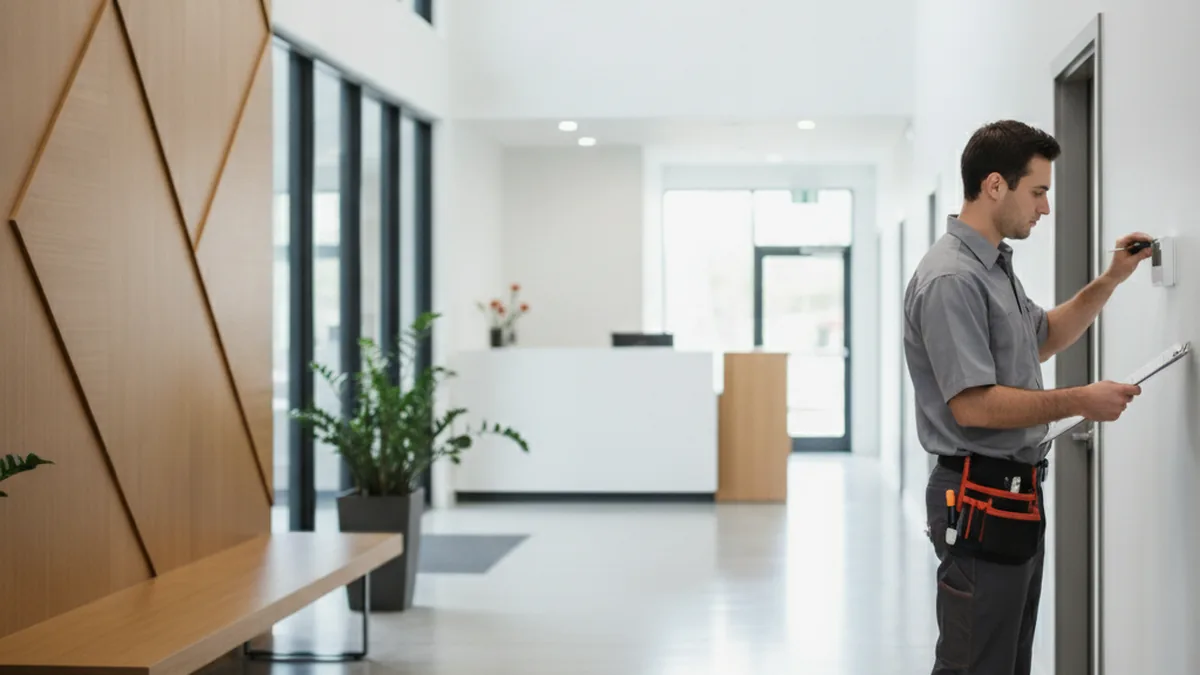
The Building chapter of Québec's Safety Code, administered by the Régie du bâtiment du Québec (RBQ), requires the plex owner to keep an inspection register and to have the safety systems installed in the building verified periodically. For a multiplex on the North Shore, this notably includes fire alarm systems, emergency lighting units and portable fire extinguishers.
Beyond the Civil Code, the Régie du bâtiment du Québec imposes specific technical obligations on owners of residential buildings through the Building chapter of the Safety Code. These requirements apply to your plex or multiplex on the North Shore as soon as it is equipped with safety systems.
The inspection register: a written obligation
The Safety Code requires the owner to keep a building inspection register documenting all periodic verifications and tests performed on the elements that ensure the building's safety. This register must be kept and available during any RBQ visit. Without such a register, the owner is exposed to a notice to correct — even if the systems are in good condition.
Systems subject to periodic verification
- Fire alarm and detection systems: annual verification under the CAN/ULC-S536 standard, performed by a certified technician
- Emergency lighting (self-contained units): a 30-second monthly test and a 90-minute annual test, documented in the register
- Portable fire extinguishers: annual inspection by an accredited technician, with a dated tag
- Fire doors (if present): maintenance to ensure they close automatically and seal properly
- Emergency exits and egress paths: clear and compliant at all times
An owner of a triplex or multiplex who does not document these verifications — even if the system works — contravenes the Safety Code. The RBQ can carry out unannounced inspections and issue notices to correct with a compliance deadline. Failing to act on them, infractions and fines may follow.
Source: Régie du bâtiment du Québec — Building inspection register (rbq.gouv.qc.ca)
Municipal habitability standards on the North Shore
In addition to the CCQ and the RBQ Safety Code, North Shore municipalities — Terrebonne, Blainville, Mirabel, Repentigny, Mascouche, Boisbriand, Saint-Jérôme — can adopt their own habitability by-laws for dwellings under the Act respecting land use planning and development. These by-laws set minimum standards for heating, ventilation, plumbing, the condition of the structure and the cleanliness of common areas.
Québec cities have held regulatory power over housing since the amendments to the Act respecting land use planning and development (LAU). On the North Shore, several municipalities have adopted or strengthened their habitability by-laws to protect tenants and maintain the quality of the rental stock.
| Source of obligation | What it covers | Consequence of a failure |
|---|---|---|
| CCQ art. 1854 | Dwelling in a good state of repair, fit for habitation at all times | Tenant remedy at the TAL: rent reduction, ordered work, damages |
| CCQ art. 1910 | Dwelling not threatening life, health or safety | Immediate lease termination possible by the tenant; owner's civil liability |
| RBQ Safety Code | Technical systems (alarm, emergency lighting, extinguishers), inspection register | RBQ notice to correct, fines, compliance injunction |
| Municipal habitability by-law | Heating, ventilation, plumbing, condition of walls, cleanliness of common areas | Statements of offence ($500–$2,000/infraction), work done at the owner's expense |
A municipal inspector can visit your plex on the North Shore following a tenant's complaint or during a proactive inspection. If non-compliances are found, the owner receives a notice to correct setting a deadline. Refusal or inaction allows the municipality to carry out the work and add its cost to the property tax roll — which can complicate the resale of the income property.
What you must maintain in your plex: the priority elements
Structurally, every element of the plex that affects habitability is your responsibility as the owner. The elements most often at the source of disputes or fines: roof, foundations, balconies, guardrails, heating systems, plumbing, electrical and insulation. On the North Shore, most plexes are more than 30 years old and have significant needs in these categories.
Priority elements to maintain in your multiplex
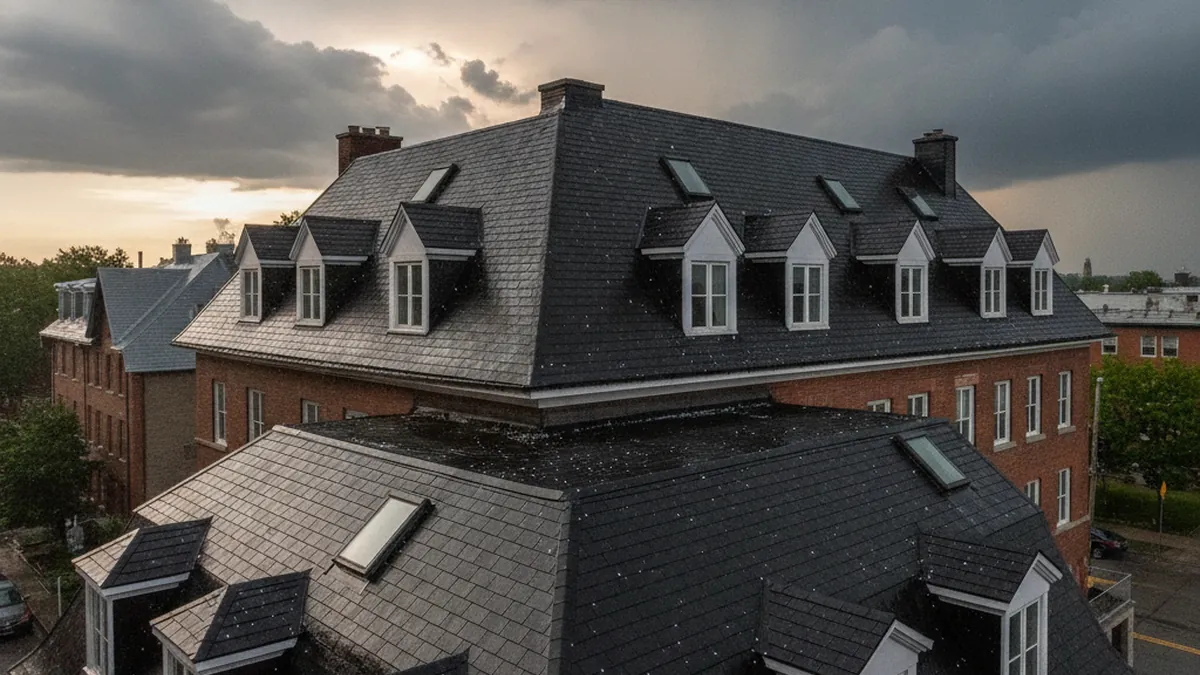
- Watertight roof — infiltrations = an immediate failure of art. 1854 CCQ
- Foundations and structure — active cracks to monitor and document
- Heating system — functional and adequate as of October 1
- Balconies and guardrails — compliant with the RBQ Safety Code (height and strength)
- Plumbing — no leaks, hot water available at all times
- Electrical — panels in good condition, no unsafe outdated wiring
- Common areas — clean and clear (emergency egress paths)
- Ventilation and habitability — prevent moisture build-up that causes mould
For North Shore plexes built before 1980, two issues deserve particular attention. The presence of vermiculite or asbestos in insulating materials is common and must be documented — or even treated — before undertaking work that could disturb these materials. Likewise, "knob-and-tube" electrical systems can be the source of insurance refusals or drastic premium increases — a problem that directly affects the building's profitability.
Consequences of a maintenance failure: tenant, TAL and sale
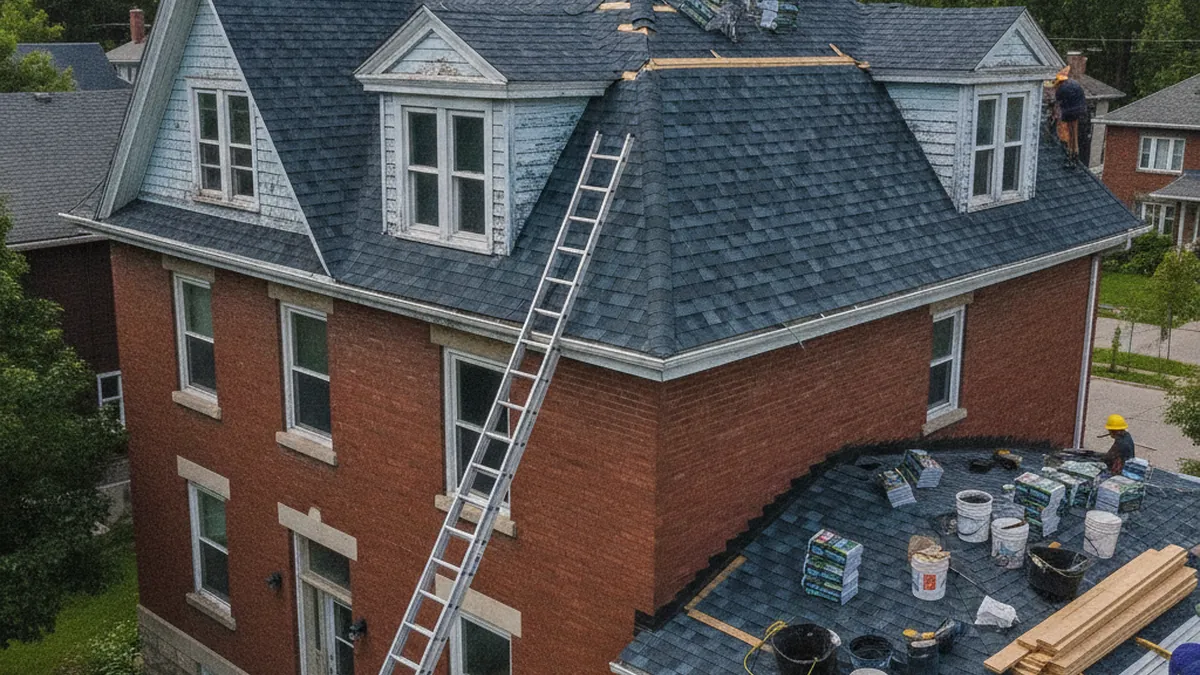
A plex owner who fails to meet their maintenance obligations is exposed to several simultaneous risks: a tenant remedy at the Tribunal administratif du logement (TAL) for a rent reduction or lease termination; municipal fines for breaching the habitability by-law; and a direct depreciation of the value of their income property at a sale on the North Shore.
Tenant remedy before the TAL
When you fail in your maintenance obligation — an uncorrected infiltration, insufficient heating, persistent mould, defective equipment — your tenant can file an application with the Tribunal administratif du logement (TAL). The tribunal can then order:
- The corrective work to be carried out within a specific deadline
- A rent reduction proportional to the loss of enjoyment suffered
- Damages for the harm caused (medical costs, loss of personal effects, stress)
- Where the dwelling is unfit for habitation (art. 1910 CCQ), the immediate termination of the lease with no penalty for the tenant
On the North Shore, TAL delays for deficient-maintenance files generally range from a few weeks to a few months depending on urgency — but an interim order can be obtained quickly if the tenant's safety is at stake. The sooner you act, the less you risk exposing your plex to this kind of remedy.
Latent defect and liability at the sale
A known maintenance problem that you do not disclose when selling your plex constitutes a latent defect within the meaning of article 1716 CCQ. The buyer can bring a claim against you even after the transaction. See our guide on latent defects and selling a plex in Québec.
Plex maintenance and resale value on the North Shore
The maintenance condition of your plex is one of the most decisive factors in setting the sale price. On the North Shore, a well-maintained building with complete documentation sells faster and at a better price than one with deferred work, which will face a buyer's discount. ImmoMulti buys multiplexes in any condition and makes an honest offer that reflects the reality of your building.
When a serious buyer visits your plex or multiplex on the North Shore, they hire a building inspector to assess the general condition. Each identified deficiency — a roof to redo, suspect foundations, an outdated electrical system, failing plumbing — becomes a negotiating argument. The discount can be significant: between 5% and 20% of the asking price depending on the extent of the work required.
Conversely, an owner who has kept a documented maintenance log, had systems inspected and replaced on time, and maintained a register compliant with RBQ requirements, is in a position of strength. They can demonstrate to the buyer the real value of their income property and justify a higher price.
If you are facing imminent costly work and are considering selling your plex on the North Shore, our guide on selling an income property quickly explains how ImmoMulti can make a direct offer that accounts for the real condition of your property — with no inspection at your expense, no broker, and a response within 48 hours.
For plex owners on the North Shore who find themselves in a situation where the required maintenance work exceeds their financial capacity — or when tenants refuse access to carry out repairs — a direct sale to a specialized buyer like ImmoMulti can be the simplest and most advantageous solution.